

What the HVHZ Is
Two counties, one set of rules written after Hurricane Andrew, and stricter than anywhere else in the state.
| HVHZ (Broward & Miami-Dade) | Rest of Florida | |
|---|---|---|
| Code sections | FBC Building 1512–1525 | FBC Building Chapter 15 general provisions |
| Design wind speed (most homes) | 170 mph Broward · 175 mph Miami-Dade | Varies by location on the state wind map |
| Product approval | Miami-Dade NOA or Florida approval valid for HVHZ | Florida Product approval or local approval |
| Shingle fasteners | Six minimum, or more per approval | Per manufacturer and code for the wind zone |
| Recovering an old roof | Not over tile, slate, wood or metal shingles | Limited by FBC Existing Building 706.3 |
Summary for homeowners. Design speeds are 3-second gusts for Risk Category II buildings (most homes), FBC Section 1620.2.
Four Core HVHZ Requirements
Everything else in the HVHZ sections builds on these four.
Design wind speeds
The roof system, its attachment and the deck beneath it are designed for the uplift those winds create. Corners and edges see the highest pressures, so they get tighter fastening.
Insurers credit this at a wind mitigation inspection.
Approved products only
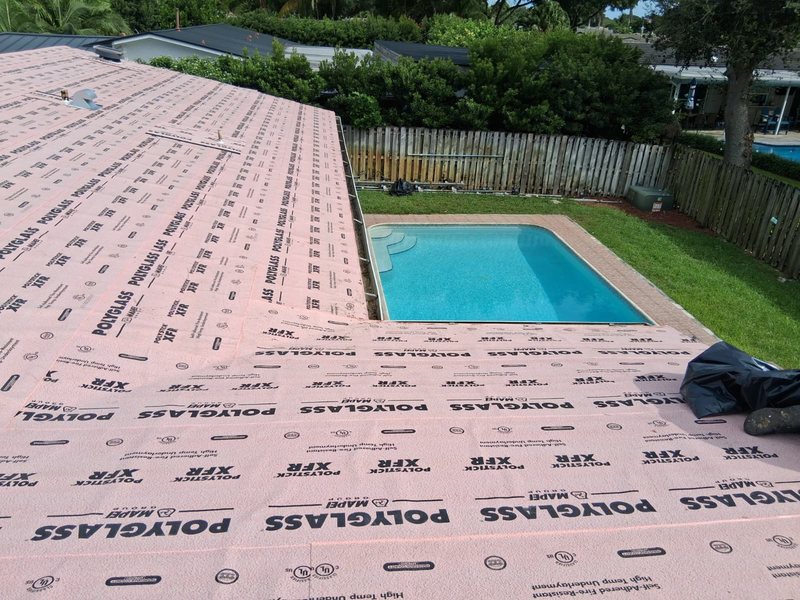
Underlayment, shingles, tile, metal panels, adhesives and fasteners each need a current approval valid for HVHZ use. The approval also sets how the product must be installed.
Compare materials in metal vs. Tile vs. shingle.
Installation to the approval
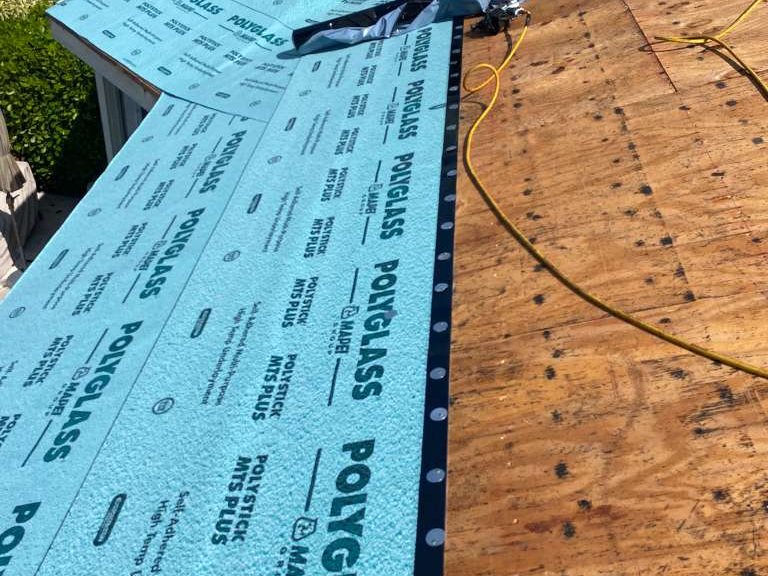
Underlayment is laid and fastened in set patterns, shingles get at least six fasteners each, and tile is attached by the method the approval and the uplift calculations call for.
Costs by material: 2026 replacement costs.
Sound deck, limited recovering
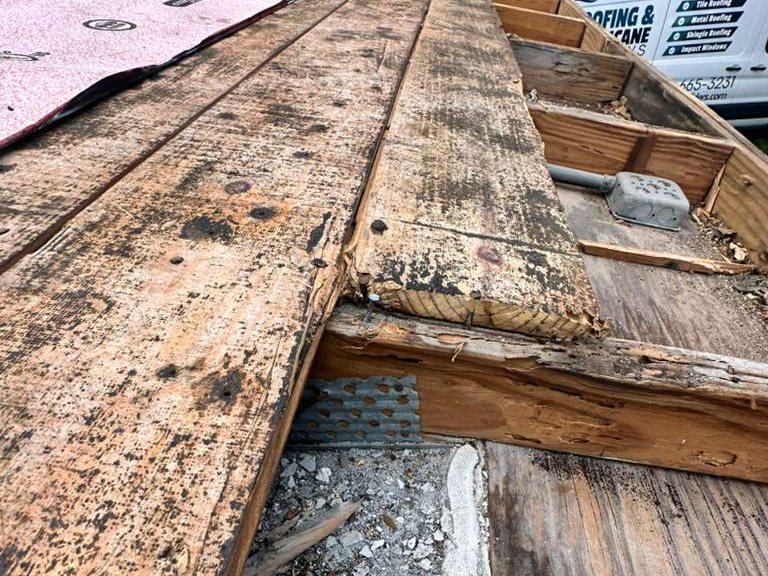
No new roof goes over a deck that is wet, rotted or can't be fastened. Recovering over tile, slate, wood or metal shingles is not allowed, so home replacements are almost always tear-offs.
Deck rules: roof deck re-nailing in Broward.
What Inspectors Check on an HVHZ Roof
HVHZ roofs are inspected in stages, so mistakes are caught before they are covered up.
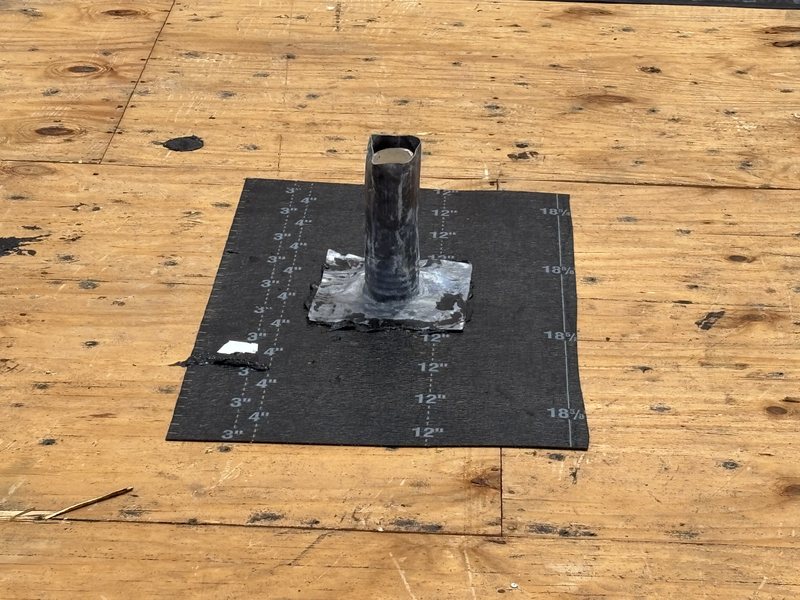
Sheathing properly fastened; deteriorated boards or panels removed and replaced before anything goes over them.
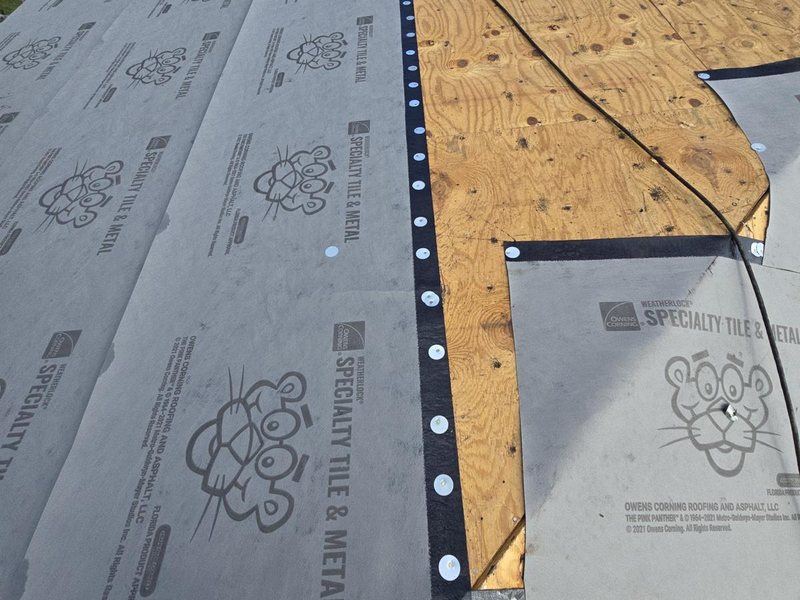
an approved underlayment, fastened or adhered per its approval. Under the 8th Edition code, synthetic underlayments must meet ASTM D8257 and self-adhered tile underlayments are uplift-tested.
Approved, corrosion-resistant nails, screws and tin caps in the spacing the approval and design pressures call for.
at least six fasteners per shingle (FBC 1518.7.3.2), placed exactly where the approval shows.
attachment by the approved method (mechanical, adhesive or mortar), backed by uplift calculations on the permit.
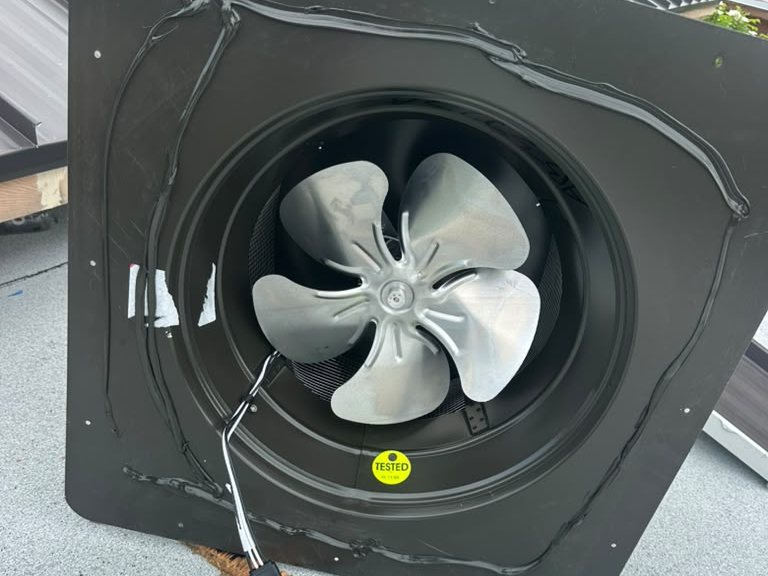
approved drip edge, valley and wall flashing, and sealed penetrations for pipes, vents and fans.
The approval for every product on the job matches what was installed.
Not sure your roof was built to HVHZ code? We check the permit history and the deck, and put it in writing.
Reroofing, Tear-Off and the 25% Rule
The HVHZ is less about whether you can patch a roof and more about what goes under the new one.
No recover over tile, slate, wood shingles or shakes, or metal shingles, and no new roof over a deck that is water-soaked, deteriorated or can't be fastened.
Nearly every residential replacement in Broward and Miami-Dade is a full tear-off to the deck. SafeTech tears off on every residential replacement.
Tear-off is when rotted boards are replaced and the deck's attachment is checked. It is also when deck attachment can be documented for a wind mitigation report.
Repairing 25% or more of a roof can require bringing the whole roof or section to current code. Under Florida Statute 553.844(5), roofs built or replaced under the 2007 code or later are exempt, only the repaired part must meet current code.
If yours is borderline, read roof repair vs. replacement and 10 signs you need a new roof.
Permits, Inspections and the 2026 Code
A licensed roofing or general contractor pulls the permit. Inspections happen in stages.
Permit application
The HVHZ uniform roofing permit lists each product's approval number; tile roofs include uplift calculations.
Tear-off and deck
Old roof removed, deck repaired and fastened, ready for inspection.
In-progress inspection
Underlayment and fastening checked before the roof covering hides them.
Final inspection
The finished roof is checked against the permit and approvals. Keep the closed permit; it proves the roof's age.
What the HVHZ Means for Insurance
A code-built roof is also the roof your insurer is looking for.
Features the HVHZ requires, such as deck attachment and secondary water resistance, are what a wind mitigation inspection records. Florida insurers must offer discounts for qualifying features; amounts vary.
The closed permit date shows when the roof was replaced, which is what insurers count from. See how long a roof lasts in Florida.
If an insurer flags your roof, read roof insurance non-renewal.
Options are in roof financing in Florida.
HVHZ Roofing FAQs
What is the High-Velocity Hurricane Zone (HVHZ)?
The HVHZ is the part of Florida with the strictest wind provisions in the Florida Building Code: Broward and Miami-Dade counties. Roofs there must meet Sections 1512 through 1525 of the code's Building volume, which add product approval, fastening, underlayment, testing and reroofing rules beyond the rest of the state.
What wind speed does a roof in Broward or Miami-Dade have to handle?
For most homes (Risk Category II), the Florida Building Code's HVHZ wind-load section sets design wind speeds of 170 mph in Broward and 175 mph in Miami-Dade, measured as a 3-second gust. The roof system, its attachment and the deck are designed for the uplift pressures those speeds create.
What is a Miami-Dade NOA?
A Notice of acceptance is Miami-Dade County's product approval. It shows a roofing product passed HVHZ testing and spells out how it must be installed. In the HVHZ, every roofing component needs a current approval valid for HVHZ use, either a Miami-Dade NOA or a Florida Product approval approved for the HVHZ.
Can a new roof be installed over the old one in the HVHZ?
Usually not for homes. The HVHZ reroofing rules prohibit recovering over tile, slate, wood shingles or shakes and metal shingles, and no roof can go over a deck that is water-soaked, deteriorated or cannot be properly fastened. In practice, nearly every residential replacement in Broward and Miami-Dade is a full tear-off to the deck.
How many nails does a shingle need in the HVHZ?
at least six approved roofing nails or fasteners per shingle, or more if the product approval requires it. That minimum comes from Section 1518.7.3.2 of the Florida Building Code.
Does the 25% rule mean I have to replace my whole roof?
Not always. Under Florida Statute 553.844(5), if the roof or roof section was built or replaced under the 2007 Florida Building Code or later, only the repaired portion must meet current code, even when 25% or more of it is repaired. Older roofs may need the whole roof or section brought up to code.
Do I need a permit for a roof in Broward or Miami-Dade?
Yes. Reroofing requires a building permit and inspections. The permit application lists the approval number for each roofing product, and tile roofs include attachment calculations. Florida's 9th Edition Building Code takes effect December 31, 2026, so the edition that applies depends on when the permit is applied for.
Will an HVHZ-compliant roof lower my insurance?
It can help. A wind mitigation inspection documents features such as roof covering, deck attachment and secondary water resistance, and Florida insurers must offer discounts for qualifying features. The amount varies by insurer and policy, so there is no fixed figure.
How We Can Help
Roof Replacement
Full tear-off, approved products and a 10-year workmanship warranty.
Roof Inspection
Deck, roof and permit history checked, with a written scope.
Roof Repair
Tile, shingle, metal and flashing repairs with approved materials.
Flat & Commercial Roofing
HVHZ-approved low-slope systems for homes and businesses.
Where We Do This Work
SafeTech Roofing and Windows builds roofs to HVHZ code across Broward and Miami-Dade, and serves Palm Beach County.
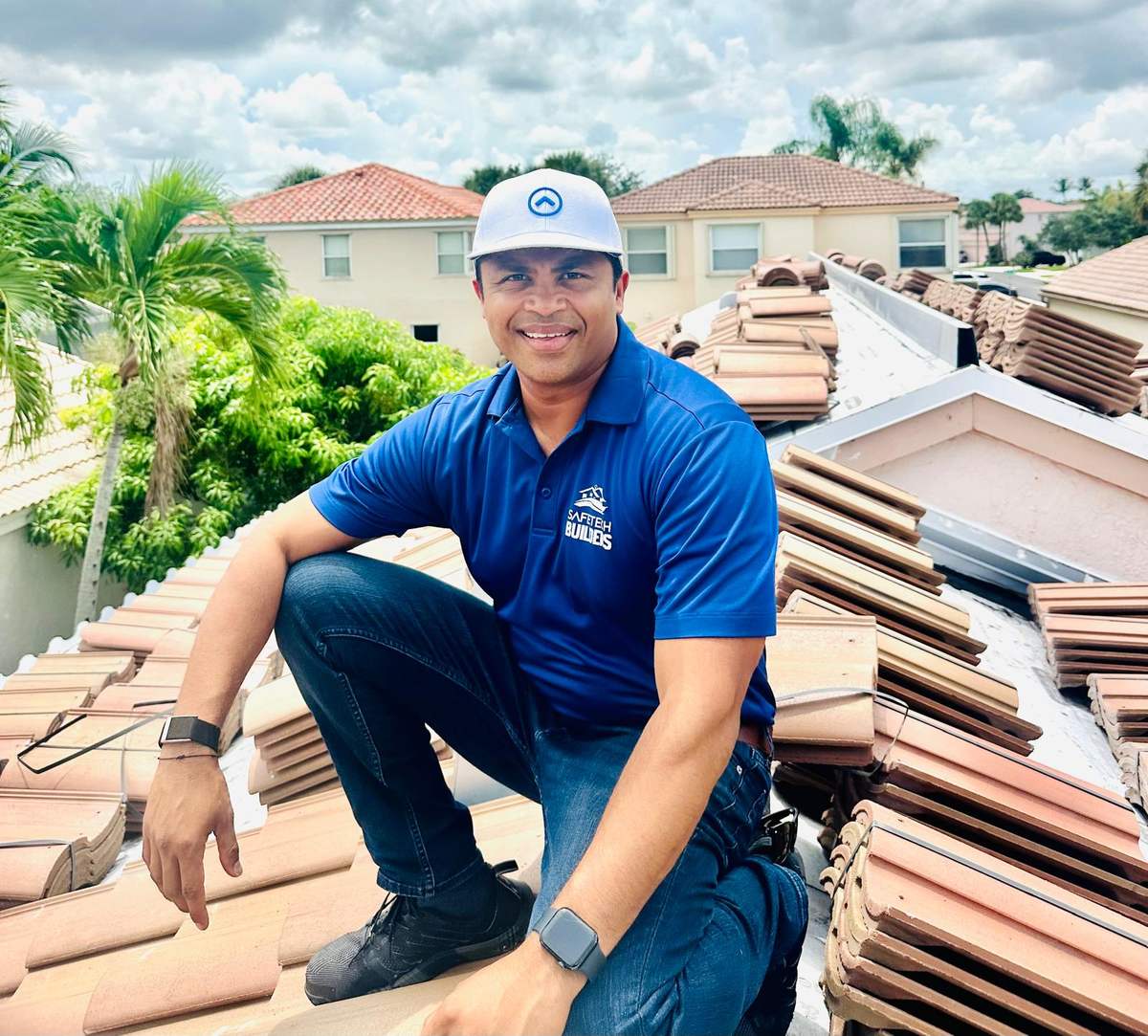
Written by Roshy Rajan
Founder, SafeTech Roofing and Windows
Roshy Rajan has worked in Broward County real estate and construction since 2006. He founded SafeTech Roofing and Windows (SafeTech Builders Inc.) after a hurricane left a friend with roof and window damage and the referrals kept coming. Florida Certified General Contractor CGC1537934 · Certified Roofing Contractor CCC1336954 · BBB Accredited. Read his story →
Sources
- Florida Building Code, Building, 8th Edition (2023), Chapter 15, HVHZ Sections 1512–1525
- FRSA, HVHZ shingle fastening, FBC 1518.7.3.2
- Miami-Dade County, 8th Edition FBC underlayment changes
- FRSA, 2026 9th Edition FBC changes (effective Dec 31, 2026)
- Florida Statute 553.844, roof mitigation and the 25% rule
This article is general education, not legal, engineering or insurance advice. Code requirements depend on the edition in force when the permit is applied for and on each product's approval; your permit scope governs.