
Choose shingle if…
Budget comes first
Upfront cost matters most, or you plan to sell within about 10–15 years.

In Broward and Miami-Dade, architectural shingle is the lowest upfront cost, tile is the classic long-life choice, and metal is the premium option for wind resistance and longevity. All three can meet High-Velocity Hurricane Zone code when installed with approved products.
So the right roof comes down to budget, how long you will stay, your roof structure and your HOA. Here is how they compare.
Seven things that decide the choice, side by side.
| architectural shingle | Concrete / clay tile | Metal | |
|---|---|---|---|
| Cost (2,500 sq ft) | $13,750–$23,750 | $27,500–$55,000 | $31,250–$62,500 |
| Approx. Per sq ft | $5.50–$9.50 | $11–$22 | $12.50–$25 |
| Typical lifespan | 15–25 years | 40–50+ years | 40–70 years |
| Hurricane strengths | Wind-rated when nailed and underlaid to code | Heavy profile resists uplift when fastened to code | Interlocking panels resist uplift and driving rain |
| Weight | Light | Heaviest | Lightest |
| Maintenance | Watch for lifted shingles after storms | Replace cracked tiles; underlayment ages first | Low; check fasteners and flashing |
| Best for | Tight budgets, shorter ownership | Classic look, HOA communities | Long-term owners, wind resistance |
Costs are SafeTech's published 2026 ranges for a 2,500 sq ft roof; per-sq-ft figures divide by 2,500 sq ft of roof area. Standing seam metal sits at the top of the metal range. Full guide: roof replacement cost. Lifespans are typical South Florida ranges, see how long roofs last in Florida.
Tap a material for its price, lifespan, weight and upkeep.
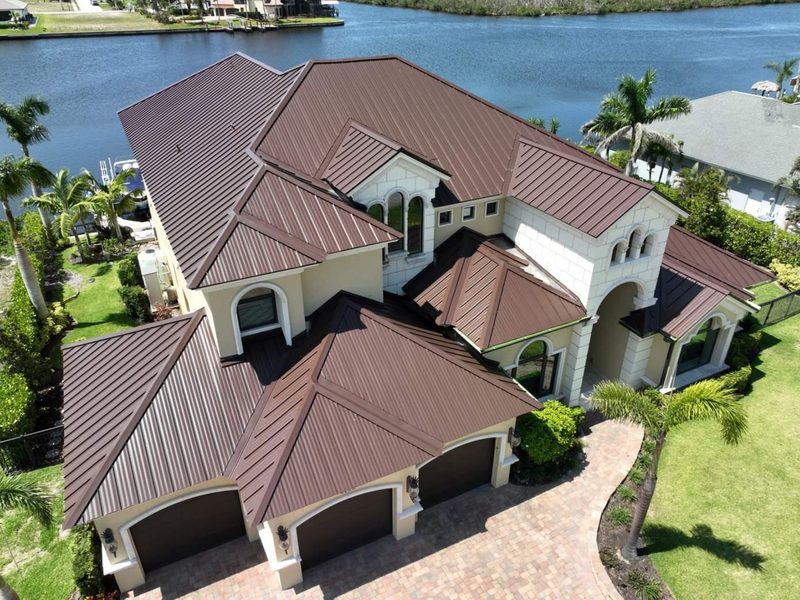
Interlocking panels resist uplift and shed driving rain, with low maintenance and reflective finishes that can cut heat gain. Standing seam, with concealed fasteners, sits at the top of the range; panel gauge, finish and roof complexity drive the price.
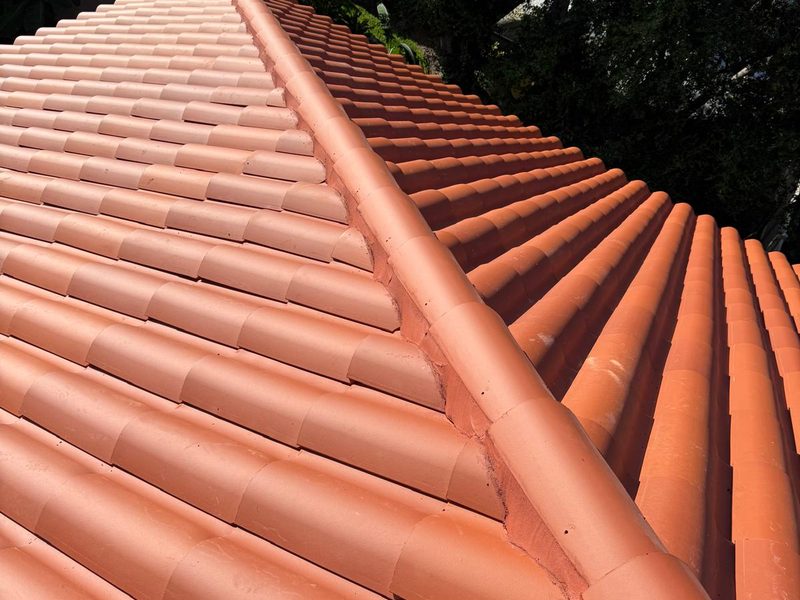
The signature look of many communities, in barrel or flat profiles. A heavy profile fastened to HVHZ code resists uplift well. The tiles last for decades; the underlayment beneath them usually needs replacing first.
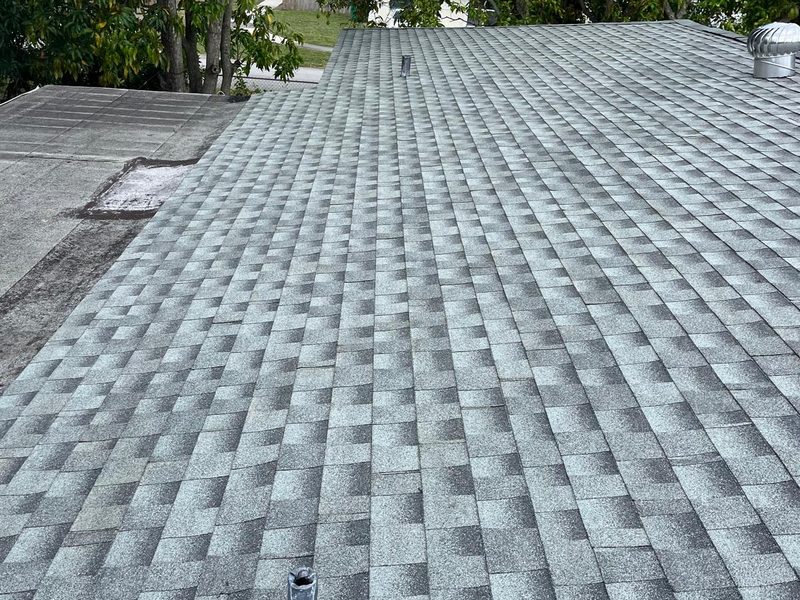
Wind-rated architectural shingles meet HVHZ standards when nailed and underlaid to code, and install quickly. Florida sun is hard on them: granule loss and wind lift shorten their life compared with tile or metal.
Want prices for all three? We'll quote shingle, tile and metal side by side for your actual roof.
Broward and Miami-Dade are in the High-Velocity Hurricane Zone of the Florida Building Code. Whichever material you choose, this applies.
Products must be approved for High-Velocity Hurricane Zone use, commonly shown by a Miami-Dade Notice of acceptance (NOA).
Fastening, underlayment and edge details follow HVHZ requirements, often including deck re-nailing, see roof deck re-nailing in Broward.
Every re-roof is permitted and inspected, see roof permits in Broward.
Palm Beach County is outside the HVHZ but still follows Florida's wind-load requirements.
Upfront cost matters most, or you plan to sell within about 10–15 years.
Your HOA expects it, and the structure supports the weight.
You want maximum wind resistance and low maintenance.
We quote the same roof in each material so you can compare like for like.
A longer-lasting roof can cost less per year of service than a cheaper roof replaced sooner.
Moving from shingle to tile may need a structural evaluation; changing material, color or profile may need HOA approval.
Roof age and condition affect insurability, and a new roof documented on a wind mitigation inspection may earn credits. Older roof? Read non-renewal.
Compare repair vs. replacement, or see roof financing.
any roof installed to HVHZ code with approved products can perform well. Standing seam metal is often chosen for wind resistance and long life, tile for durability and the classic South Florida look, and architectural shingle for the lowest upfront cost. The best choice depends on your budget, how long you plan to stay, your roof structure and HOA rules.
On a 2,500 sq ft roof, SafeTech's published 2026 ranges are $13,750–$23,750 for architectural shingle, $27,500–$55,000 for tile and $31,250–$62,500 for standing seam metal. Roof complexity, decking condition, permits and product choice move the final price.
Typical South Florida ranges are 15–25 years for asphalt shingles, 40–50+ years for concrete and clay tile, and 40–70 years for metal. Tile roofs often need new underlayment before the tiles themselves wear out, and actual life depends on installation, maintenance and storm exposure.
Broward and Miami-Dade counties are in the High-Velocity Hurricane Zone (HVHZ) of the Florida Building Code. Roofs there must use products approved for HVHZ use, commonly shown by a Miami-Dade Notice of Acceptance, and be installed to stricter fastening and underlayment requirements with permits and inspections.
Often, but tile is much heavier than shingle, so the roof structure may need to be evaluated before switching. HOA approval may also be required for a change in material, color or profile.
It can. Insurers look at roof age, condition and wind-resistant features, and a newer roof documented on a wind mitigation inspection may qualify for discounts. Discounts vary by insurer, so ask your agent to price the options before you choose.
A metal roof installed over solid decking and underlayment is generally not much louder than other roofs inside the home. Attic insulation also reduces rain noise.
Metal, tile and shingle roofs installed to HVHZ code.
Permitted and inspected, with a 10-year workmanship warranty.
Flat roofs and low-slope sections that tie into the main roof.
Material and color submittals handled for HOA communities.
SafeTech Roofing and Windows installs metal, tile and shingle roofs across Broward, Miami-Dade and Palm Beach counties.
See finished projects in our work.
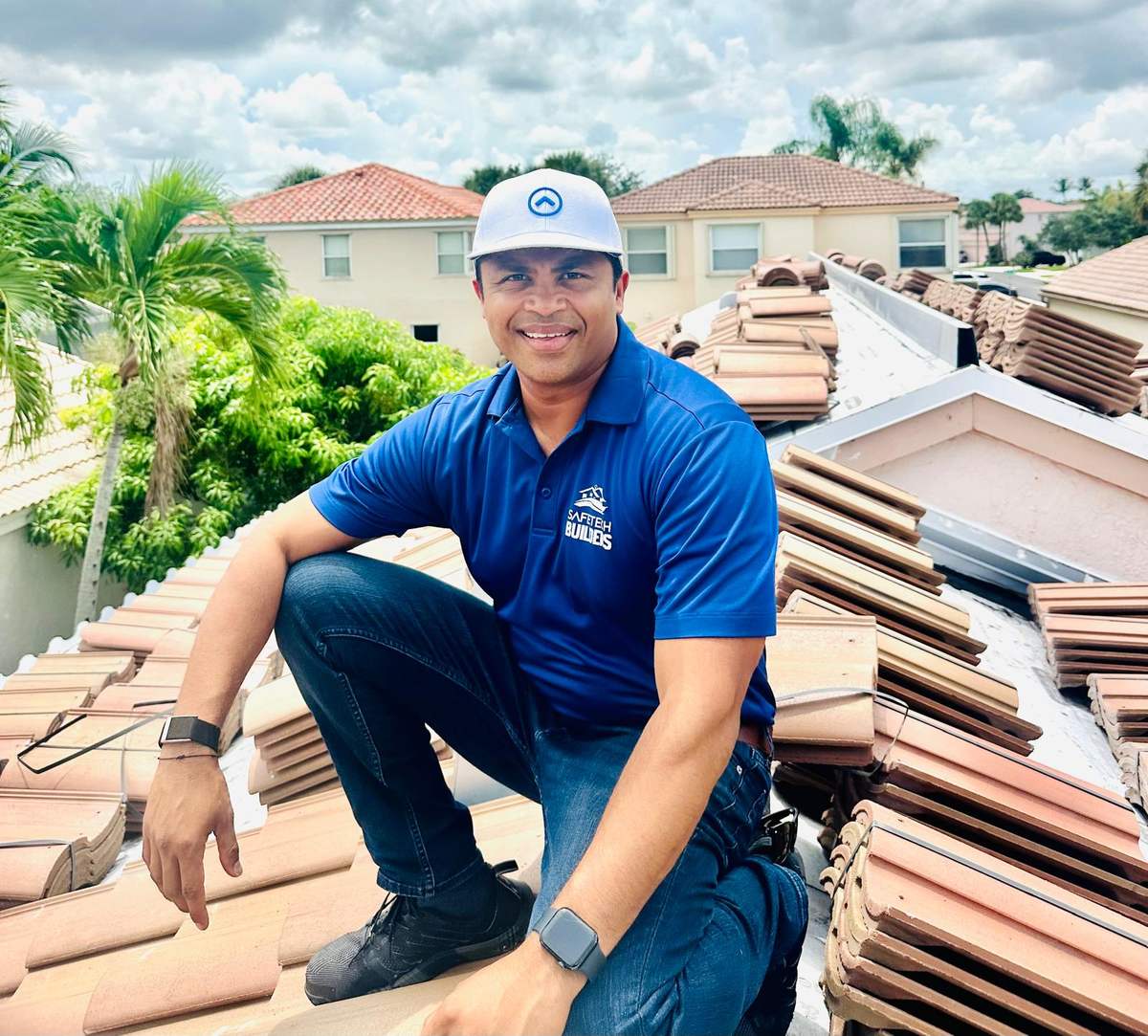
Written by Roshy Rajan
Founder, SafeTech Roofing and Windows
Roshy Rajan has worked in Broward County real estate and construction since 2006. He founded SafeTech Roofing and Windows (SafeTech Builders Inc.) after a hurricane left a friend with roof and window damage and the referrals kept coming. Florida Certified General Contractor CGC1537934 · Certified Roofing Contractor CCC1336954 · BBB Accredited. Read his story →
Price ranges are SafeTech's published 2026 estimates for a 2,500 sq ft residential roof and are not a quote. Lifespans are typical ranges, not guarantees. Your price and roof performance depend on an on-site inspection, product selection, installation, maintenance and HOA requirements.
Prices for all three materials on your actual roof, a drone inspection, and a straight answer on what your structure and HOA allow, free, no pressure.