

What Florida's 15-Year Roof Rule Says
Florida Statute 627.7011(5) sets how homeowners insurers can treat roof age. Here is the whole rule in one table.
| Your roof's age | What the insurer can do | Your best move |
|---|---|---|
| Under 15 years | Cannot refuse to issue or renew Solely because of roof age. | ask for the exact reason in writing and fix any condition issue it names. |
| 15+ years | Must let you get an inspection by an authorized inspector, at your expense, before requiring a new roof. | Book the inspection now so there is time to repair or re-inspect. |
| 15+ years, 5+ years of life left | Cannot refuse to issue or renew Solely because of roof age. | Send the inspection report to your insurer or agent. |
| 15+ years, under 5 years left | May use roof age in its decision. | Plan a repair or replacement and shop coverage now. |
Florida Statute 627.7011(5), for homeowners policies issued or renewed on or after July 1, 2022.
How roof age is counted. From the last date 100% of the roof surface was built or replaced under the code in effect at the time. Your permit and final-inspection records are the proof, find them before you need them. Not sure how long yours should last? See how long roofs last in Florida.
Condition still counts. The age protections do not stop an insurer from non-renewing for damage, wear or other lawful underwriting reasons. A roof that is young but leaking is still a roof problem.
How Much Notice You are Owed
The letter's effective date is the deadline everything else works back from.
Under Florida Statute 627.4133, most residential property policies require at least 120 days' written notice before a non-renewal takes effect.
The notice must include the reason. If it says roof age or roof condition, that tells you exactly what evidence to gather.
Certain Citizens Property Insurance non-renewals require 45 days. Read the effective date on your letter, not the date it arrived.
Your window is the time between today and the effective date. Inspection, repairs and new quotes all have to fit inside it.
The Florida Department of Financial Services Insurance Consumer Helpline: 1-877-693-5236.
Six Steps to Take Before Your Coverage Ends
Work these in order, but run steps 3 and 5 side by side.
Read the notice
Pin down the reason and the effective date. Ask your agent to confirm the reason in writing.
Ask what inspection counts
Confirm which inspectors your insurer approves and whether a specific roof form is required.
Get the roof inspected
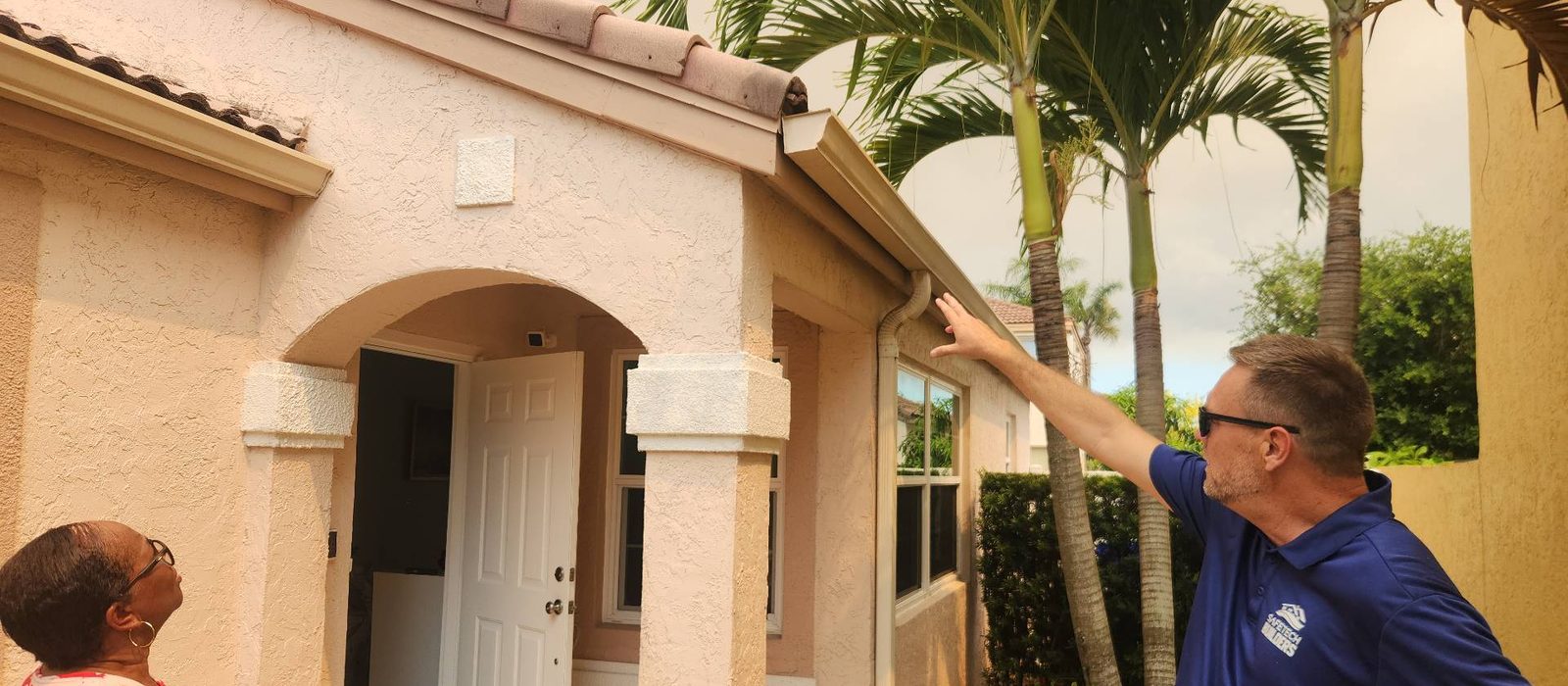
A free SafeTech inspection gives you photos and a written report, typically within 24–48 hours.
Repair what is found
Cracked tiles, curling shingles, worn flashing and leaks are red flags. See repair vs. replacement.
Shop coverage in parallel
Talk to an independent agent and register with the free Florida Market assistance Plan. A current wind mitigation report helps.
Plan replacement if needed
Get a written estimate early. Review 2026 roof costs, permit timelines and financing.
Do steps 3 and 5 at the same time. Waiting for repairs to finish before you call an agent is how a 120-day window becomes a two-week scramble.
If the inspection finds five or more years of life, send the report to your insurer straight away. If it finds less, the same report is your starting point for a repair-or-replace decision and for quotes from other carriers.
Got a dated letter? We'll inspect, photograph and document your roof so you know exactly where you stand, free, no obligation.
How Florida's 25% Rule affects Repairs

The Florida Building Code has long limited how much of a roof or roof section can be repaired in 12 months before the whole roof or section must meet current code.
Since 2022, Florida Statute 553.844(5) adds an exception: if the roof or section was built, repaired or replaced under the 2007 Florida Building Code or later, only the repaired portion must meet current code, even when 25% or more is being repaired.
Roofs installed before that may still need the whole roof or section brought up to code, which can turn a repair into a replacement. Details: Florida's 25% roof rule explained and HVHZ requirements.
Warning Signs Insurers Look For
These are the items that turn an age question into a condition question. Photograph any you can see from the ground.
Roof Insurance Non-Renewal FAQs
Can my insurance company drop me because my roof is old?
Not solely for age if your roof is less than 15 years old. If your roof is 15 years or older, Florida Statute 627.7011(5) requires the insurer to let you get an inspection by an authorized inspector before requiring a new roof. If that inspection shows 5 or more years of useful life left, the insurer cannot refuse to renew based on age alone. Insurers can still non-renew for roof condition, damage or other lawful reasons.
Who pays for the roof inspection, and who can do it?
The homeowner pays. The inspector must be approved by your insurer and be a licensed home inspector, certified building code inspector, licensed general, building, residential or roofing contractor, professional engineer, architect, or someone else the insurer recognizes. Ask your insurer which inspectors and forms it accepts before you book.
What if the inspection shows less than 5 years of useful life?
The insurer may then use roof age as a reason not to renew. Repair what can be repaired and ask whether a re-inspection would change the result, shop for other coverage, and get a written roof replacement estimate so you can act before the policy ends.
How much notice must my insurer give before a non-renewal?
For most residential property policies, Florida Statute 627.4133 requires at least 120 days' written notice, including the reason. Some exceptions apply; for example, certain Citizens Property Insurance non-renewals require 45 days. Check the effective date on your notice and call the Florida Department of Financial Services helpline at 1-877-693-5236 with questions.
How is my roof's age calculated?
From the last date 100 percent of the roof's surface was built or replaced under the building code in effect at the time. Keep your permit and final inspection records, because they are the proof.
Does Florida's 25% roof rule affect my coverage?
It can affect repair costs. If your roof or roof section was built, repaired or replaced under the 2007 Florida Building Code or later, only the repaired portion must meet the current code even when 25% or more is being repaired. Older roofs may require the entire roof or section to be brought up to current code, which can turn a repair into a replacement.
Can SafeTech negotiate with my insurance company?
No. SafeTech Roofing and Windows is a licensed roofing contractor, not a public adjuster. We document your roof with photos and provide a written report and estimate you can share with your insurer or agent, but we do not negotiate claims or advise on your policy.
How We Can Help
Roof Inspection
A written condition report with photos and a remaining-life opinion you can share with your insurer or agent.
Roof Repair
Targeted repairs for cracked tiles, flashing and leaks when the roof still has life left.
Roof Replacement
Full tear-off to current code, permitted and inspected, with a 10-year workmanship warranty.
Roof Insurance FAQs
What insurers usually ask about roofs in Florida, and what a contractor can and cannot do.
Where We Do This Work
SafeTech Roofing and Windows inspects and replaces roofs across Broward, Miami-Dade and Palm Beach counties.

Written by Roshy Rajan
Founder, SafeTech Roofing and Windows
Roshy Rajan has worked in Broward County real estate and construction since 2006. He founded SafeTech Roofing and Windows (SafeTech Builders Inc.) after a hurricane left a friend with roof and window damage and the referrals kept coming. Florida Certified General Contractor CGC1537934 · Certified Roofing Contractor CCC1336954 · BBB Accredited. Read his story →
Sources
- Florida Statute 627.7011, roof age and inspections
- Florida Statute 627.4133, notice of non-renewal
- Florida Statute 553.844, 25% roof rule exception
- Florida Market assistance Plan (Citizens Property Insurance)
- Florida Department of Financial Services, Consumer Services
This article is general education, not legal or insurance advice. Policy terms, insurer guidelines and exceptions vary, confirm details with your insurer, agent or an attorney. SafeTech is a licensed roofing contractor, not a public adjuster.