

Roof Lifespan in Florida at a Glance
Five roof types, five very different clocks, and a different weak point in each.
| Roof type | Typical lifespan | What usually fails first | Best defense |
|---|---|---|---|
| architectural shingle | 15–25 years | Granules and sealant strips in the sun | Ventilation, prompt repair after storms |
| Concrete or clay tile | 40–50+ years | Underlayment beneath the tile | Inspections; underlayment replaced on time |
| Metal | 40–70 years | Fasteners, sealants and flashing | Checks after storms; corrosion care near the coast |
| Modified bitumen (flat) | 10–20 years | Surface cracking from UV; seams | Drainage; coating and seam maintenance |
| TPO or PVC (flat) | 15–30 years | Seams; ponding areas | Proper slope and drainage; seam inspections |
Typical South Florida ranges, not guarantees. Installation, ventilation, storm exposure and maintenance move a roof within its range.
Each Roof Type in Detail
What each roof gives you, and what it asks of you.
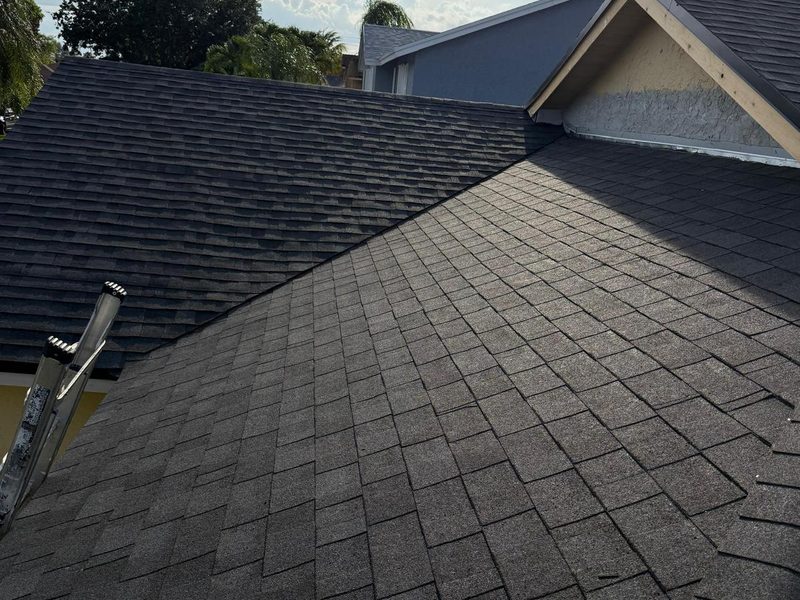
Architectural asphalt shingle
affordable and popular, but the shortest-lived option here. Sun dries the asphalt, granules wash off and sealant strips weaken, so shingles age faster than in milder climates.
Lower upfront cost, see 2026 costs.
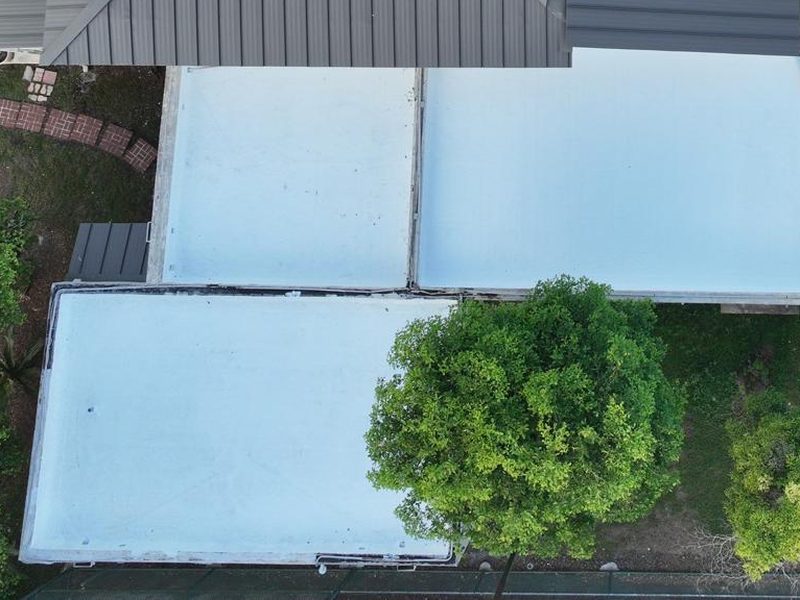
Flat and low-slope roofs
Modified bitumen typically lasts 10–20 years; reflective TPO or PVC membranes 15–30. Both depend on drainage, ponding water and UV are what shorten them.
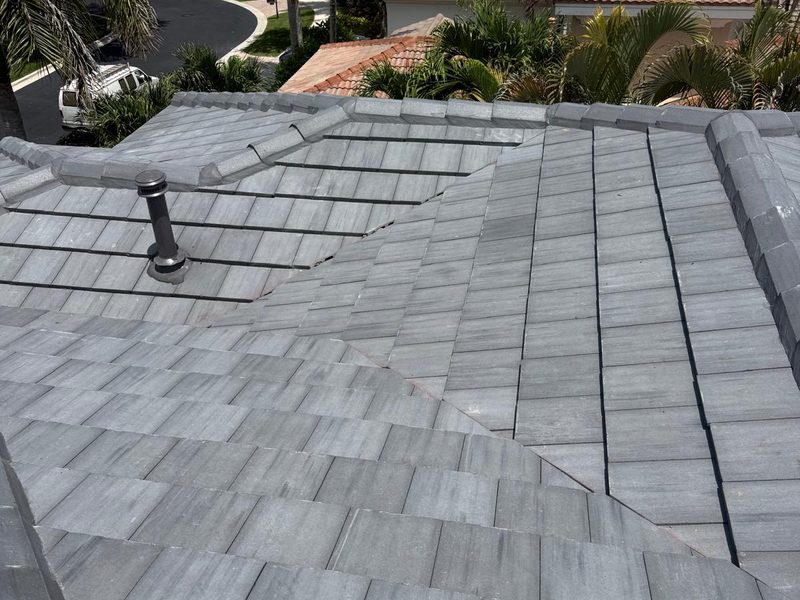
Concrete and clay tile
Strong thermal performance and salt-air resistance. The tiles last for decades; the underlayment beneath usually needs replacing well before they do.
Compare materials in metal vs. Tile vs. shingle.
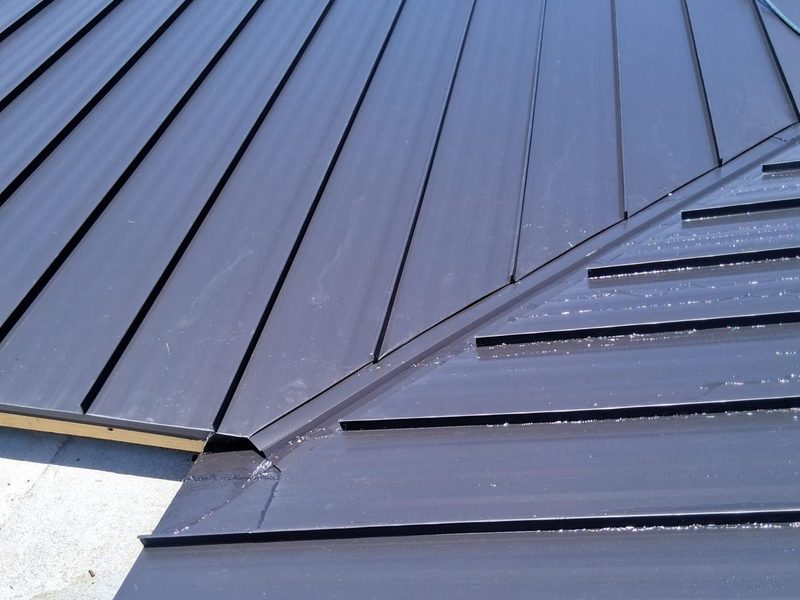
Standing seam metal
Resistant to wind, fire and rot, and reflective finishes reduce heat gain. Fasteners, sealants and flashing are the parts to watch, especially near salt water.
See residential roofing.
What Wears Out First
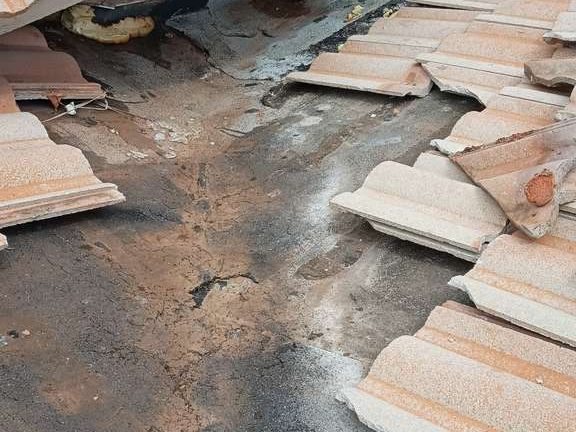
A roof's lifespan is set by its weakest layer, not its most visible one. On tile, that is almost always the underlayment, often somewhere around the 20- to 30-year mark, depending on the product and how it was installed.
On shingle, it is the asphalt itself drying out in the sun. On metal, it is the fasteners, sealants and flashing. On flat roofs, it is the seams and any spot where water sits.
That is why a roof can look fine from the street and still leak. See 10 signs you need a new roof.
What Shortens a Roof's Life
Seven things that move a roof toward the short end of its range.
Year-round UV dries asphalt, cracks membranes and bakes sealants. Florida roofs age faster than the same roofs up north.
Near the coast, salt corrodes fasteners, flashing and metal components, weakening wind resistance.
Hurricane and tropical-storm winds lift edges, crack tiles and drive rain under coverings. Each event takes years off.
Wrong nailing, thin underlayment and poor flashing are leading causes of early failure. In Broward and Miami-Dade, HVHZ code sets the minimum.
A hot, unvented attic bakes the roof from underneath and traps moisture in the decking.
Standing water on low slopes and leaves packed in valleys hold moisture against the roof.
Small leaks reach the decking. Compare repair vs. replacement before damage spreads.
Past the halfway mark? A free inspection tells you how much life is really left, in writing.
What Roof age Means for Insurance in Florida
Florida ties insurability to roof age in specific, written ways. Here is what they mean in practice.
Under Florida Statute 627.7011, roof age runs from the last date 100% of the roof surface was built or replaced under the code in effect at the time. Partial repairs do not reset it.
an insurer cannot refuse to issue or renew a homeowners policy solely because of the roof's age.
You can have the roof inspected by an authorized inspector. If it shows 5 or more years of useful life left, the insurer cannot refuse to renew based on age alone.
Damage and wear can still affect coverage. Got a letter? Read roof insurance non-renewal.
Your permit and final inspection prove the roof's age. A current wind mitigation report documents its features.
How to Make Your Roof Last Longer
Maintenance doesn't stop the clock, but it keeps a roof at the long end of its range.
Inspect
Photos of every slope and, on tile, the underlayment.
Check the date
Permit history tells us the roof's real age.
Estimate life left
A written remaining-life opinion you can share.
Roof Lifespan FAQs
How long does a roof last in Florida?
Typical South Florida ranges are 15–25 years for asphalt shingles, 40–50+ years for concrete and clay tile, 40–70 years for metal, 10–20 years for modified bitumen flat roofs and 15–30 years for TPO or PVC membranes. Installation quality, ventilation, storms and maintenance move a roof up or down those ranges.
Why do roofs wear out faster in Florida?
Intense year-round UV, heat, humidity, heavy rain and hurricane-force winds all speed up wear, and salt air corrodes metal components near the coast. A roof that would last longer in a milder climate often ages faster here.
Does a tile roof really last 50 years?
The tiles often can. The underlayment beneath them usually wears out first, often somewhere around the 20- to 30-year mark depending on the product and installation, and replacing it means lifting the tile. That is why a tile roof can look fine from the street and still leak.
How is my roof's age calculated for insurance?
Under Florida Statute 627.7011, roof age is counted from the last date 100% of the roof's surface was built or replaced under the building code in effect at that time. Your permit and final inspection records are the proof.
Can my insurer drop me because my roof is old?
Not solely for age if your roof is less than 15 years old. For roofs 15 years or older, you can get an inspection by an authorized inspector; if it shows 5 or more years of useful life left, the insurer cannot refuse to renew based on age alone. Condition and damage still count.
How can I make my roof last longer?
Have it inspected after major storms and every year or two once it is past mid-life, keep gutters and valleys clear, trim overhanging trees, make sure the attic is ventilated, and fix small leaks and flashing problems promptly before they reach the decking.
What roof lasts longest in South Florida?
Metal typically has the longest lifespan, followed by tile, with architectural shingle the shortest. The longest-lasting roof is also usually the most expensive upfront, so compare cost per year of service rather than price alone.
How We Can Help
Roof Inspection
A written remaining-life estimate with photos and permit history.
Roof Repair
Flashing, tile, shingle and underlayment repairs done to code.
Roof Replacement
Full tear-off to current code with a 10-year workmanship warranty.
Flat & Commercial Roofing
Modified bitumen, TPO and PVC roofs with proper drainage.
Where We Do This Work
SafeTech Roofing and Windows inspects, repairs and replaces roofs across Broward, Miami-Dade and Palm Beach counties.
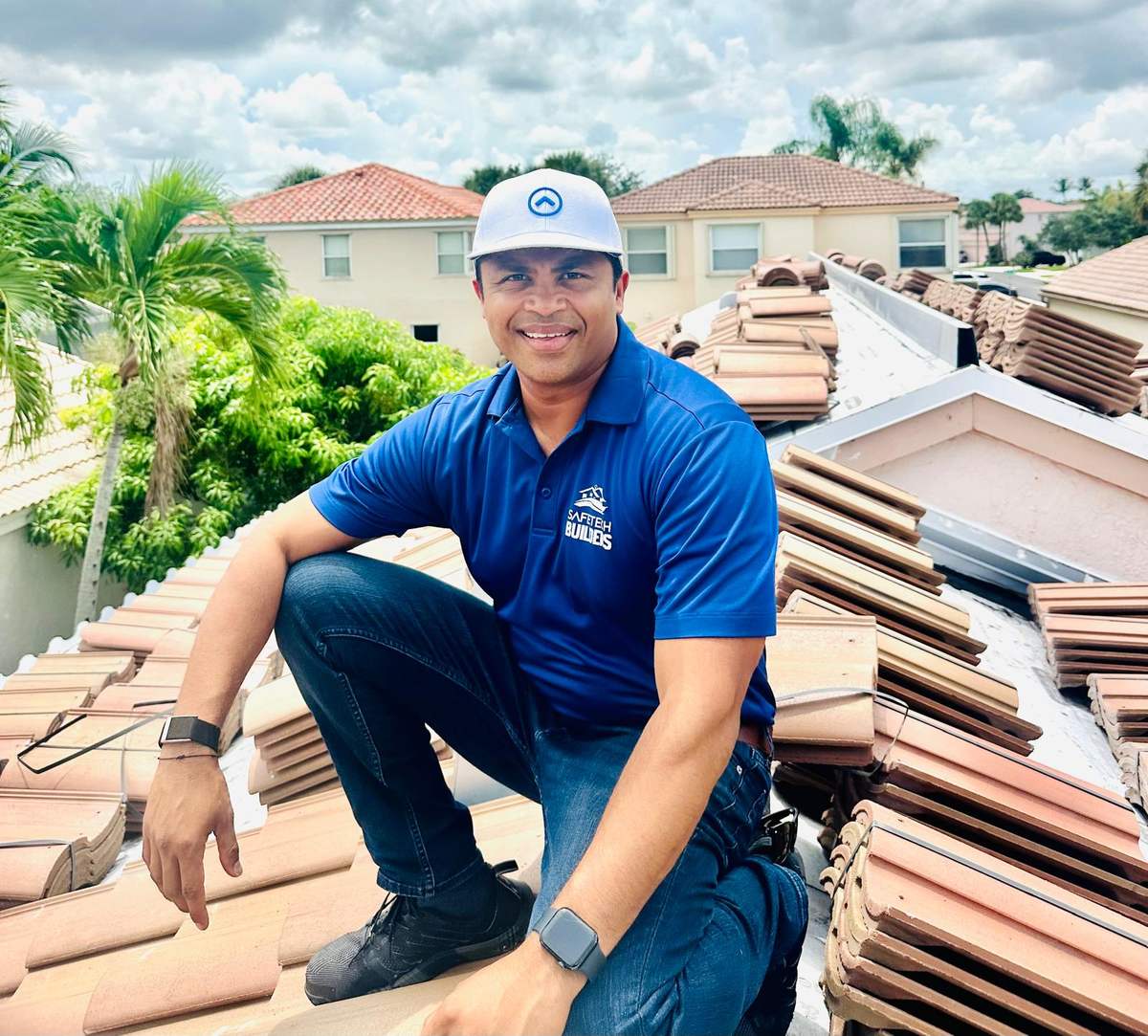
Written by Roshy Rajan
Founder, SafeTech Roofing and Windows
Roshy Rajan has worked in Broward County real estate and construction since 2006. He founded SafeTech Roofing and Windows (SafeTech Builders Inc.) after a hurricane left a friend with roof and window damage and the referrals kept coming. Florida Certified General Contractor CGC1537934 · Certified Roofing Contractor CCC1336954 · BBB Accredited. Read his story →
Sources
This article is general education, not legal or insurance advice. Lifespans are typical ranges, not guarantees; your roof's condition, installation and maintenance decide its real life.