
Sign 06
Granule loss and curling shingles
Bald spots, curling edges and granules in the gutters mean shingles are losing their UV protection. In Florida sun that speeds up quickly.

Most South Florida roofs don't fail all at once. They give warnings: stains that keep coming back, tiles that crack and slip, flashing that lets go at the wall, and underlayment that quietly wears out under tile that still looks fine from the street.
Here are the ten signs our crews see most, what each one means, and how Florida's insurance and building rules shape the next step.
Six of these you can photograph. Four you can't, they're further down. Signs are numbered in the order homeowners usually notice them.
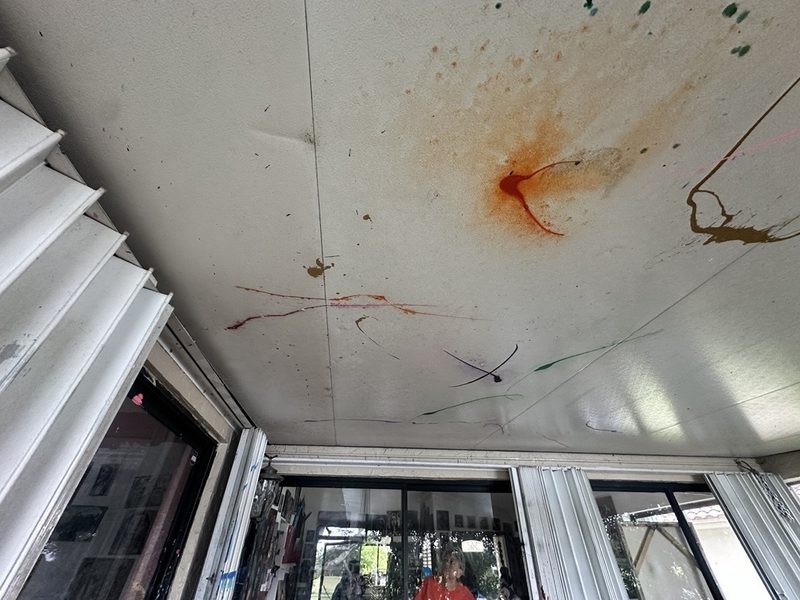
A stain that returns after it was painted over means water is still getting in. Trace it upward, the entry point is often well uphill of the mark. Interior stains are one of the first things insurers and buyers ask about.
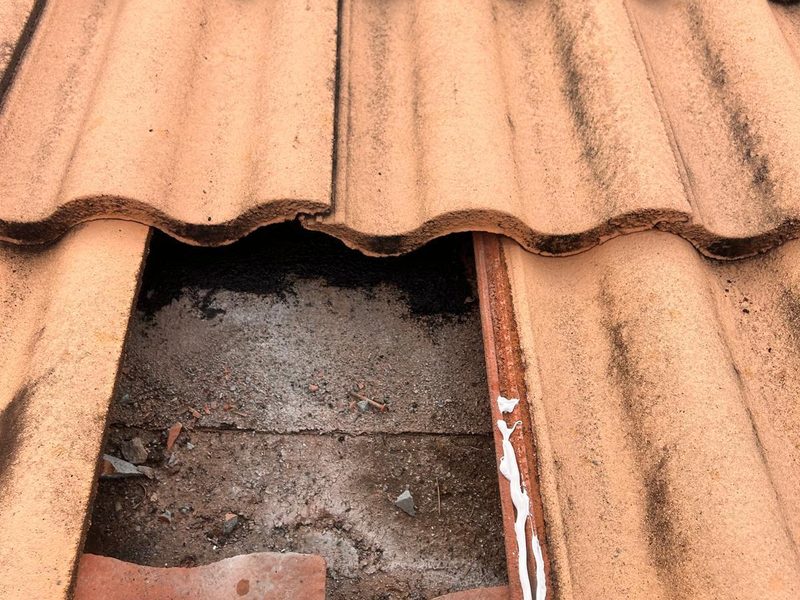
A missing tile exposes the underlayment to sun and rain directly. A few broken tiles can be replaced; many broken tiles, or tiles that no longer match, point to a roof near the end.
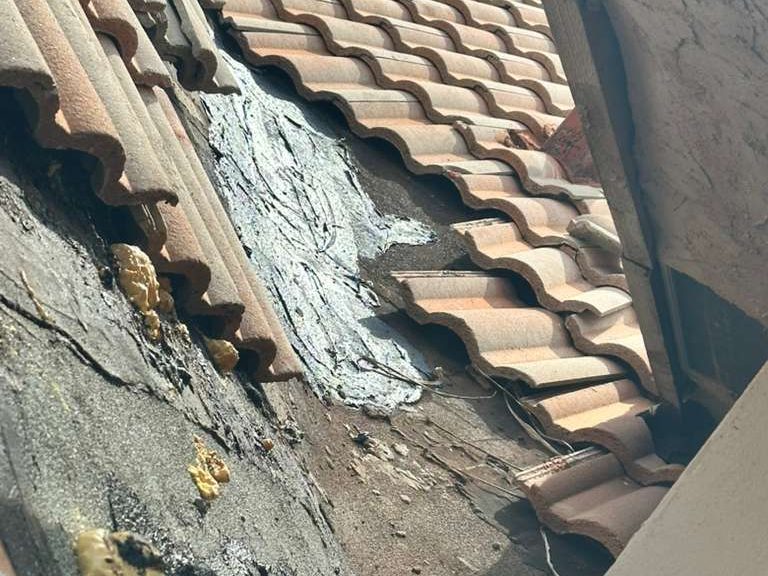
Most leaks start where the roof meets a wall, a vent or a valley. Rusted metal, cracked sealant and layers of mastic at these joints mean the flashing is no longer doing its job, and salt air speeds it up near the coast.
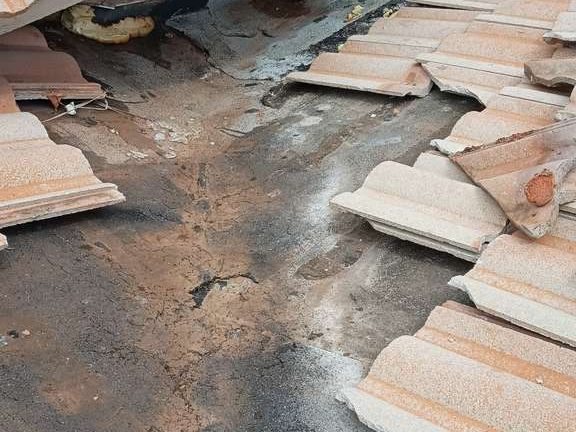
On a tile roof, the underlayment is the waterproofing; the tile mostly protects it from sun. Underlayment usually ages out before the tiles do, so a roof can look fine from the street while the layer underneath is brittle and cracked.
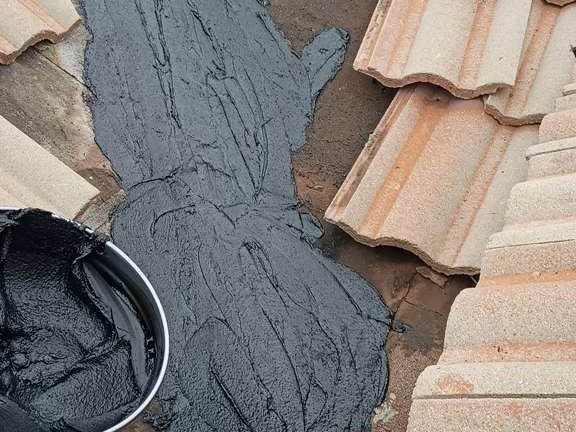
Roof cement buys time, not years. When the same areas are patched again and again, you are paying repeatedly for a roof that has reached its limit.
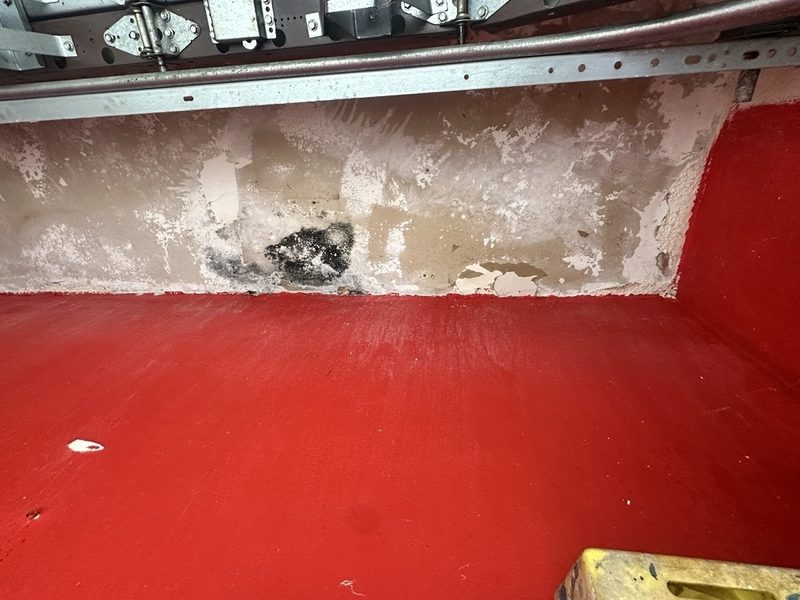
Peeling paint, dark staining and musty smells near walls and ceilings point to moisture that has been there a while. Fix the source first; in Florida, mold assessment and remediation are licensed separately.
Many roof problems are easier to spot from below. Take dated photos of anything you find.
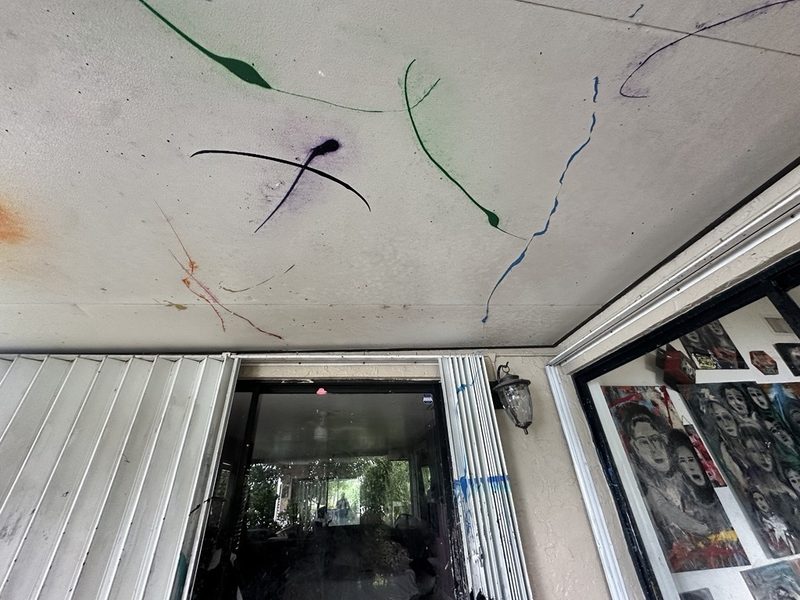
Seeing two or more of these? We'll photograph the roof and tell you in writing whether it's a repair or a replacement.
These show up over time, in paperwork or underfoot, not in a single snapshot.
Bald spots, curling edges and granules in the gutters mean shingles are losing their UV protection. In Florida sun that speeds up quickly.
A dip in the ridge or a spongy feel underfoot points to wet or failing decking. That is a structural problem, not a cosmetic one, get it inspected promptly.
Typical ranges are 15–25 years for shingles, 40–50+ for tile and 40–70 for metal. Your permit history shows the install date. See how long roofs last in Florida.
Widespread storm damage, or an insurer flagging roof age or condition, moves the clock forward. See the non-renewal guide.
Three Florida rules decide how much time you have and how much of the roof has to change.
Under Florida Statute 627.7011, an insurer can't refuse to issue or renew a homeowners policy solely because a roof under 15 years old is old. For roofs 15+, an authorized inspection showing 5+ years of useful life blocks an age-only refusal. Condition and damage still count.
Under Florida Statute 553.844(5), roofs built or replaced under the 2007 Florida Building Code or later need only the repaired portion brought to current code. Older roofs may need the whole roof or section upgraded. See the 25% rule explained.
A Florida re-roof is permitted and inspected. Broward and Miami-Dade add High-Velocity Hurricane Zone requirements, see HVHZ requirements and permits in Broward.
Roof work in Florida must be done by a licensed roofing or general contractor. Verify any license at MyFloridaLicense.com before you sign. SafeTech: CGC1537934 · CCC1336954.
Florida regulates mold assessment and mold remediation under Chapter 468, Part XVI. A roofer fixes the leak; a licensed mold professional handles the mold.
One sign on its own is usually a repair: a broken tile, a cracked boot, a section of failed flashing. Several signs together, especially worn underlayment, repeated patches and an aging roof, usually mean replacement is the better value.
Compare costs in 2026 roof replacement costs, weigh materials in metal vs. Tile vs. shingle, and read repair vs. replacement. Paying over time? See roof financing.
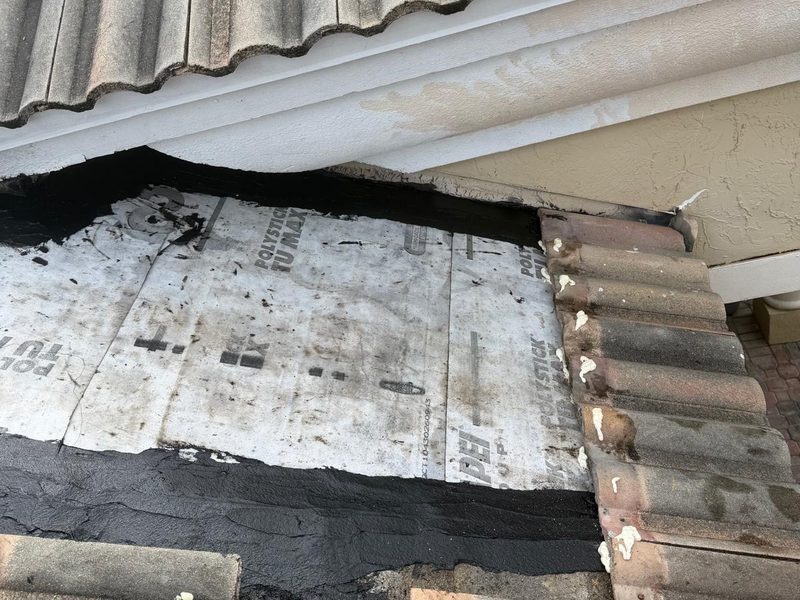
Photos of every slope, the flashing and, where needed, under the tile.
What we found, where, and how much life the roof has left.
Repair scope or replacement estimate, itemized, with no pressure.
Permitted, inspected work with a 10-year workmanship warranty on full replacements.
Repairs make sense when damage is limited and the roof has years of life left. Replacement is usually the better value when leaks keep coming back, the underlayment under tile is worn out, damage is widespread, or the roof is near the end of its typical lifespan. A professional inspection with photos is the reliable way to tell.
Typical South Florida ranges are 15–25 years for asphalt shingles, 40–50+ years for concrete and clay tile, and 40–70 years for metal. Tile roofs often need new underlayment before the tiles wear out. Sun, salt air, storms and maintenance all shorten or extend those ranges.
Often, yes, if the underlayment beneath is sound and matching tiles are available. If the underlayment is brittle or failing, replacing tiles only covers the problem, and leaks usually return.
Not always. Under Florida Statute 553.844(5), if the roof or roof section was built, repaired or replaced under the 2007 Florida Building Code or later, only the repaired portion must meet current code even when 25% or more is repaired. Older roofs may need the whole roof or section brought up to code.
Not solely for age if your roof is less than 15 years old. For roofs 15 years or older, Florida Statute 627.7011 lets you get an inspection by an authorized inspector, and if it shows 5 or more years of useful life left, the insurer cannot refuse to renew based on age alone. Insurers can still act on roof condition or damage.
Yes. A roof replacement in Florida requires a building permit and inspections, and in Broward and Miami-Dade the work must meet High-Velocity Hurricane Zone requirements. A licensed roofing or general contractor pulls the permit.
Fix the leak first so the moisture stops. In Florida, mold assessment and mold remediation are licensed services, so use a licensed mold professional for the mold itself while a licensed roofer repairs the source.
Written report with photos and a repair-or-replace recommendation.
Tile replacement, flashing and underlayment repairs done to code.
Full tear-off to current code, permitted and inspected.
Tarps and temporary repairs to stop further damage.
SafeTech Roofing and Windows inspects, repairs and replaces roofs across Broward, Miami-Dade and Palm Beach counties.
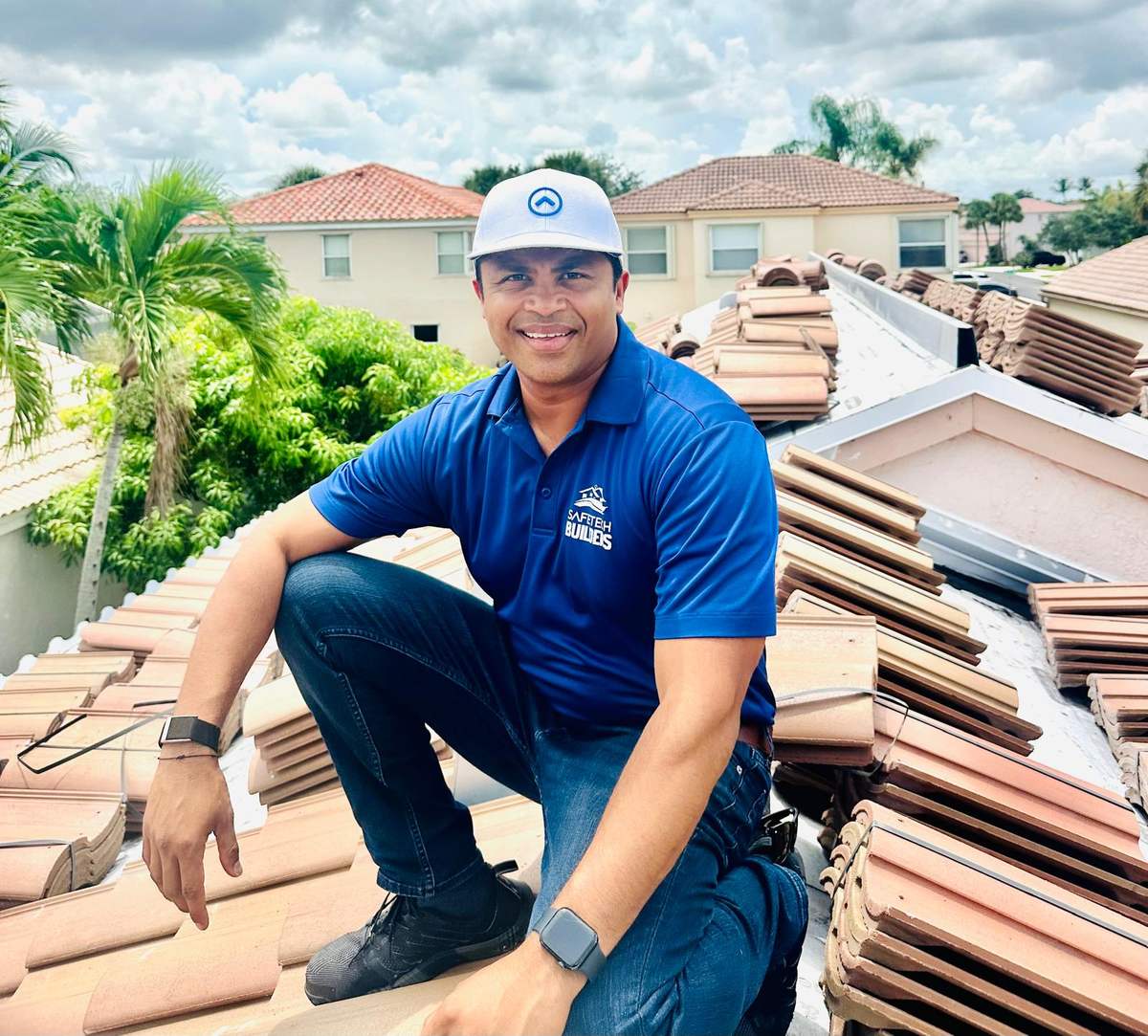
Written by Roshy Rajan
Founder, SafeTech Roofing and Windows
Roshy Rajan has worked in Broward County real estate and construction since 2006. He founded SafeTech Roofing and Windows (SafeTech Builders Inc.) after a hurricane left a friend with roof and window damage and the referrals kept coming. Florida Certified General Contractor CGC1537934 · Certified Roofing Contractor CCC1336954 · BBB Accredited. Read his story →
This article is general education, not legal or insurance advice. Lifespans are typical ranges, not guarantees. Your roof's condition, policy and local code decide the right next step, confirm with a licensed contractor, your insurer or an attorney.
One visit gives you photographs of what is actually happening on your roof and a written repair-or-replace recommendation, free, and yours to keep.