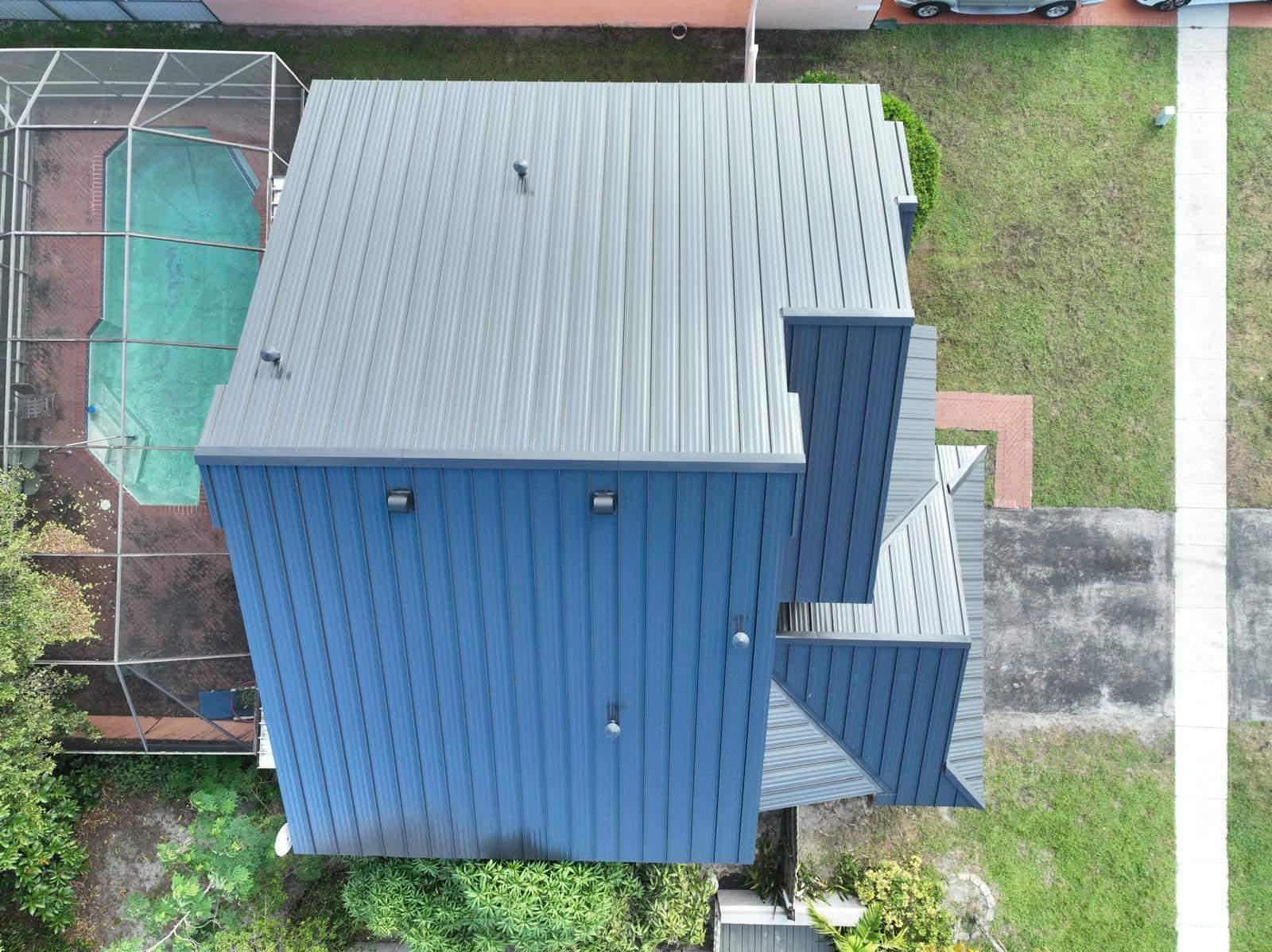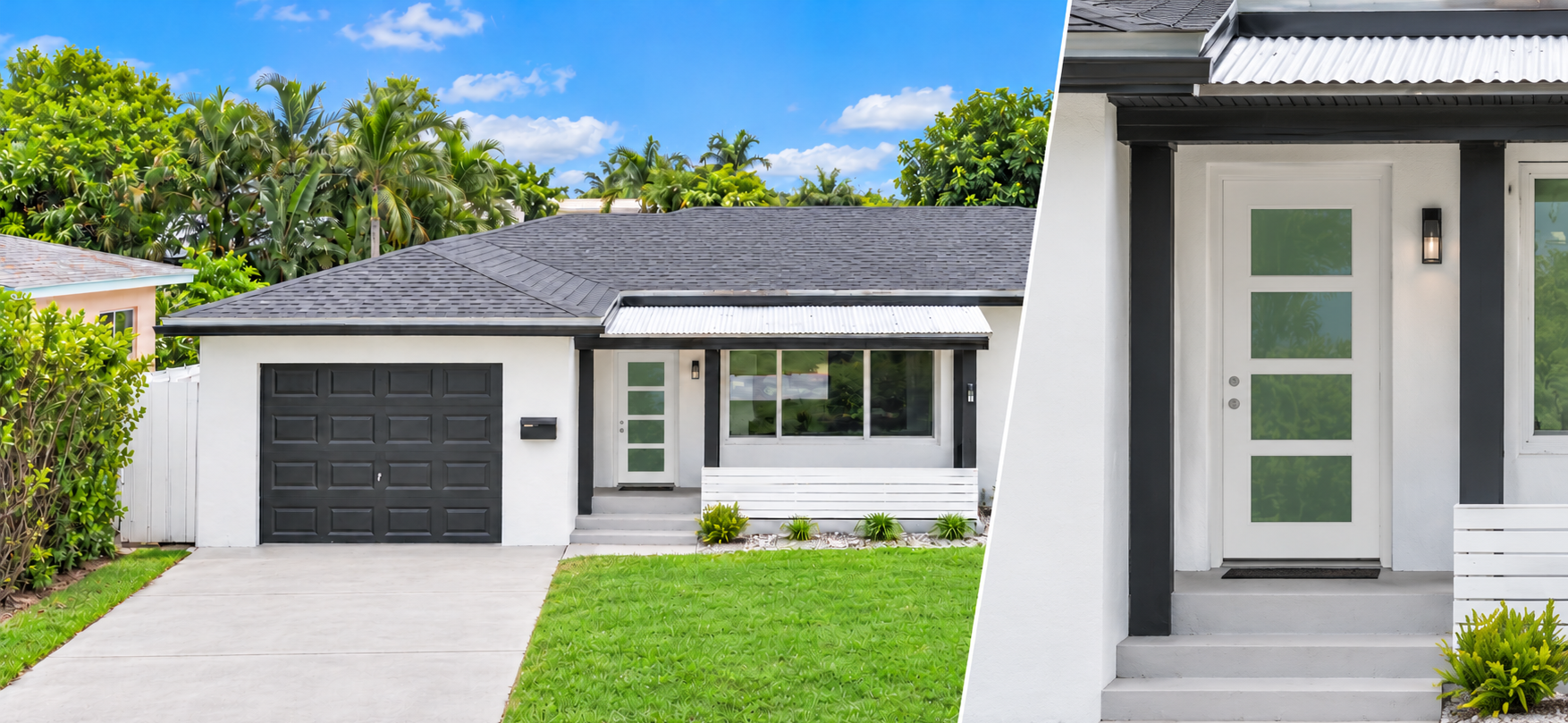

Short version: the Florida Building Code tells us how to build a roof that survives a hurricane. Six-nail pattern on shingles, 19/32in CDX plywood deck nailed 6 inches on-center at panel edges, peel-and-stick underlayment sealed at every edge, and TAS 105/106 uplift testing where the jurisdiction requires it. Miss any of those and it isn't a legal roof in Broward.
The parts of the code that affect your roof
- HVHZ wind rating. The High-Velocity Hurricane Zone covers Broward and Miami-Dade counties. Every component, shingles, tiles, metal panels, underlayment, fasteners, has to be rated for HVHZ wind and impact. A general "Class H" rating isn't the same thing.
- Six-nail pattern. architectural shingles meet TAS 107 at six nails per shingle, not the four nails you'll see on older South Florida roofs.
- Deck minimum. 19/32in CDX plywood, nailed 6 inches on-center at panel edges. Anything thinner or looser than that has to be replaced before the new roof goes down.
- Peel-and-stick underlayment. On tile and most shingle re-roofs the underlayment is a self-adhered membrane sealed at every edge, hip, valley and penetration. That's the layer that actually keeps water out.
- The 25% rule. If more than 25% of a roof is repaired, replaced or recovered inside a 12-month window, the whole system must be brought up to current code. The full 25% rule guide is here →
- Uplift testing. TAS 105 (fastener withdrawal) and TAS 106 (tile pull testing) are inspection-stage uplift tests the municipality may require before closing a permit.
Why the code is strict here
South Florida is one of the highest-wind corners of the United States. Hurricane andrew in 1992 wrote most of the HVHZ code we work under today, the standard went up because the roofs that came off in andrew should not have come off. Six nails, peel-and-stick dry-in and 19/32in deck aren't optional upgrades, they're the baseline, and they're what makes the difference between a roof that lasts twenty years and a roof the next storm takes off.
What this means for your quote
A legal Broward roofing quote will state, in writing: the HVHZ assembly being installed (with product name and NOA where applicable), the fastening pattern, the deck thickness, the underlayment specification, and whether TAS testing is included. Anything missing from the quote is a red flag, not a saving.
Full disclosure. This article is general information about Florida's building code, not legal or engineering advice. Code enforcement is done by the authority having jurisdiction, your municipal building department. For your specific roof, speak to a licensed Florida roofing contractor and your city's building official.
Not sure if your roof meets current Broward code?
Free inspection, written report with photos, and a plain-English rundown of what the code says about your specific roof.