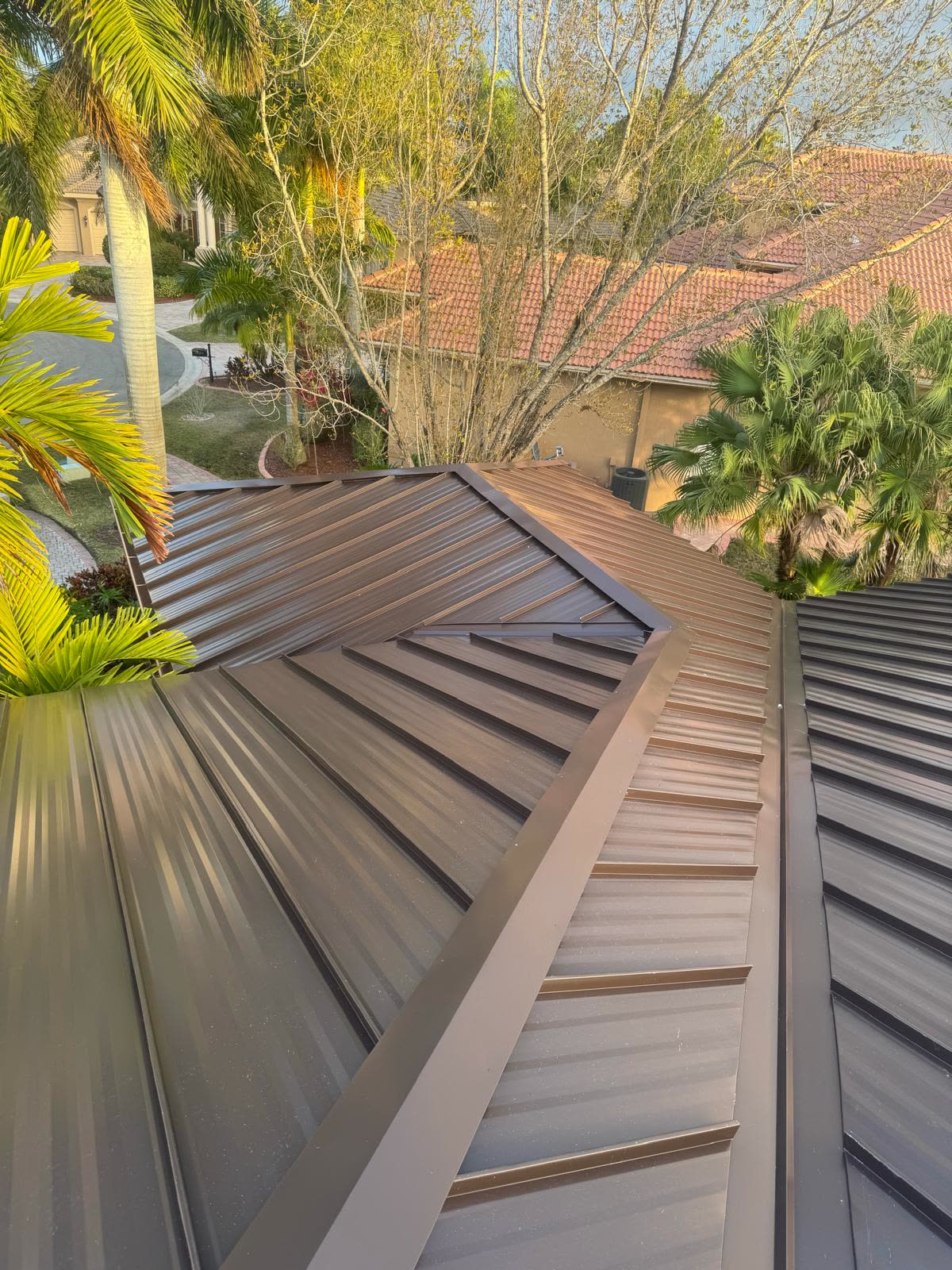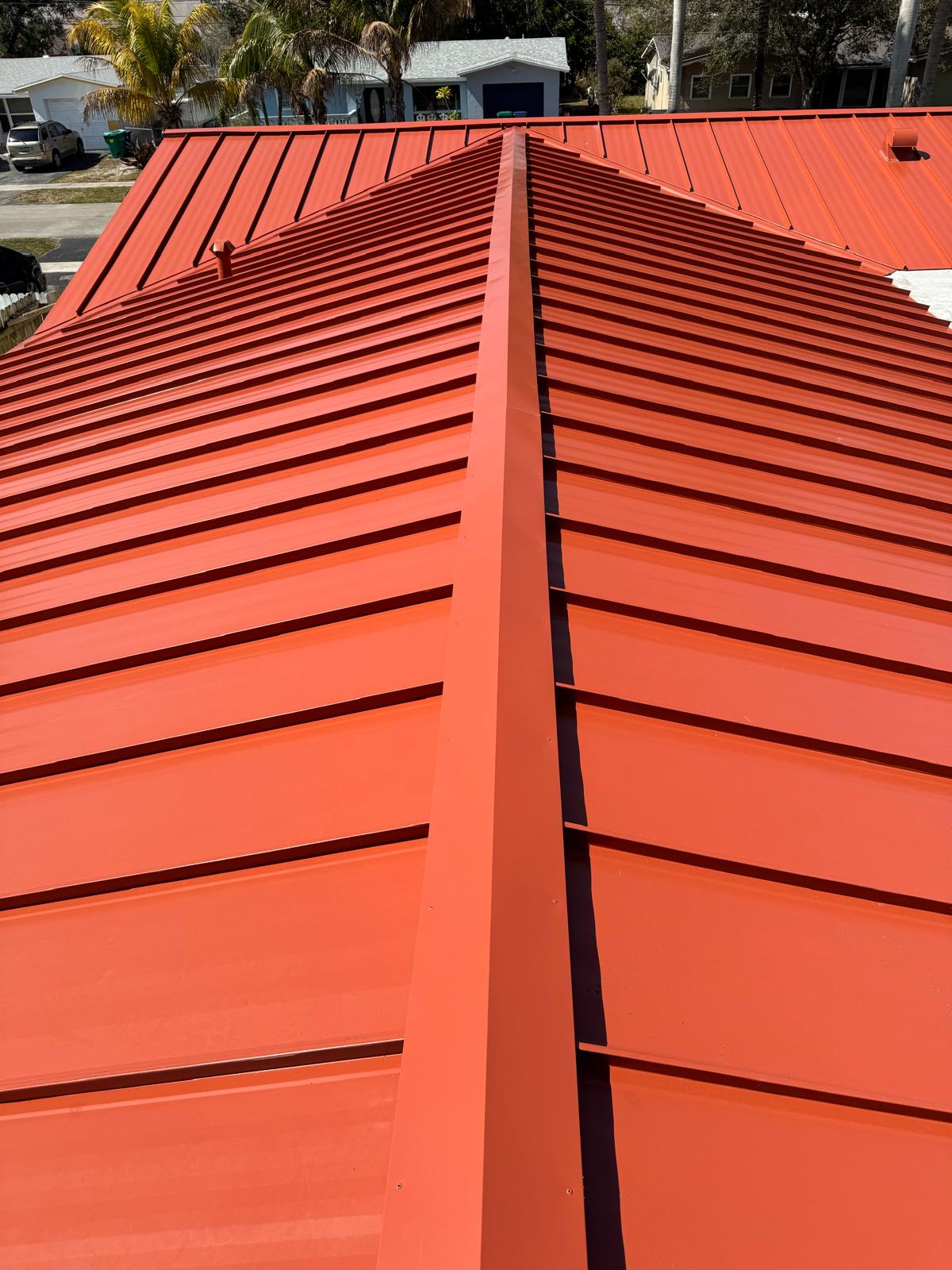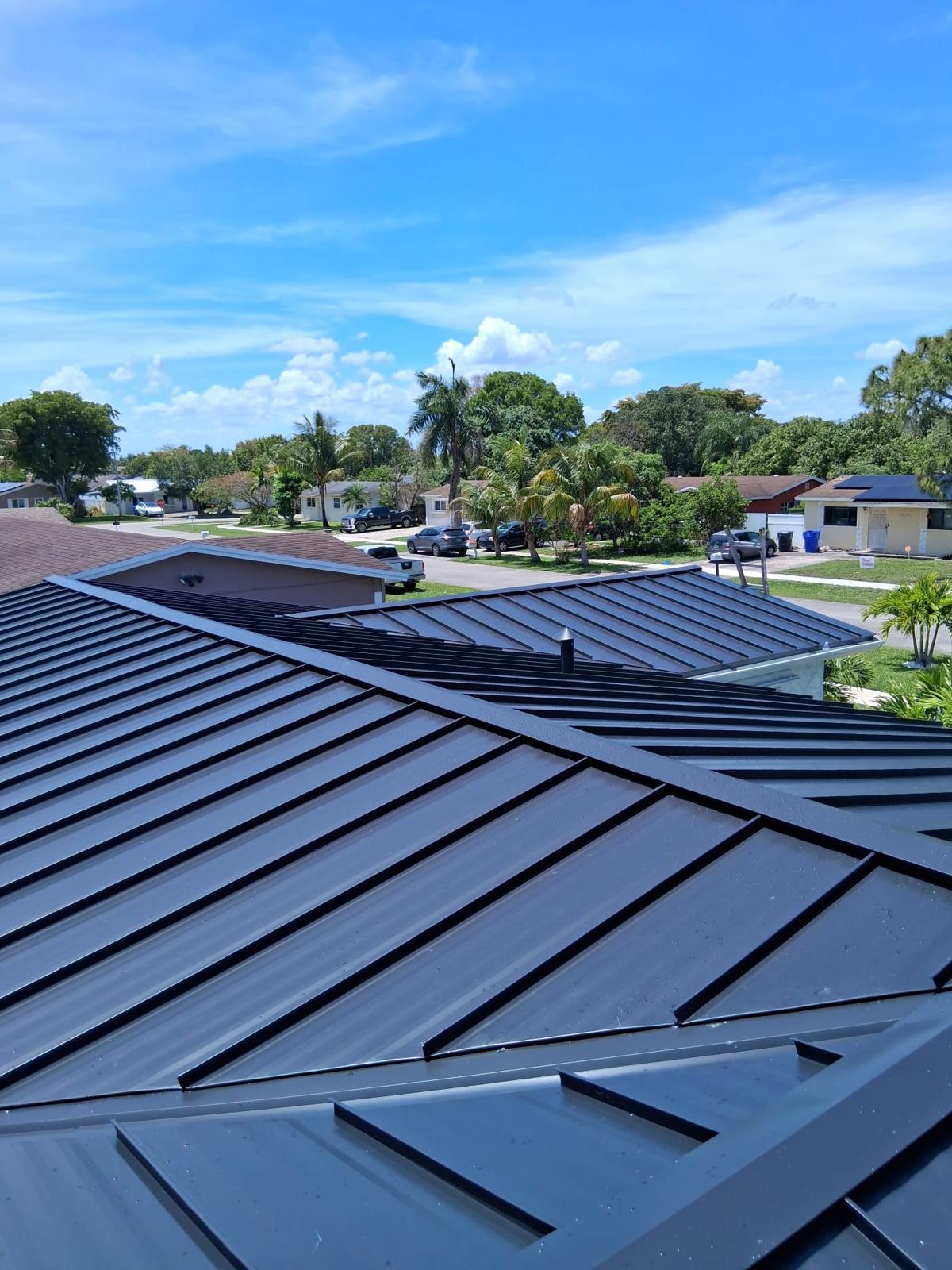
After a storm, check your roof from the ground and from inside. Never climb onto it. Photograph everything you see, prevent further water damage if you can do it safely, and notify your insurance company according to your policy.
Check safely
See also:Storm damage →- Stay off the roof and away from downed power lines
- Walk the perimeter: look for missing or slipped tiles, shingles or metal panels
- Check the yard for roofing debris
- Inside, look at ceilings and the attic (with a flashlight) for water stains or drips
Document the damage
- Photograph every side of the house from the ground
- Photograph debris, interior stains and wet areas
- Note the date and time
- Keep receipts for any emergency repairs or tarps

Prevent more water damage
If water is coming in, move belongings, catch drips and call a licensed roofer for emergency tarping. Don’t climb up to tarp it yourself. SafeTech answers after hours and on weekends for emergency tarping: (954) 665-3231.
Notify your insurer
Report damage to your insurance company as your policy requires. A documented roof inspection can help you understand what you’re seeing, but your insurer decides coverage.
Avoid storm chasers
- Verify any contractor’s license on DBPR
- Be wary of door-knockers offering to "handle your claim"
- Walk away from any contractor who offers to waive or pay your deductible, or offers gifts, cash or rebates to inspect your roof or file a claim. Florida law prohibits it (s. 489.147, F.S.)
- Be wary of anyone asking you to sign an assignment of benefits. For residential policies issued on or after January 1, 2023, Florida law makes post-loss assignments void (s. 627.7152, F.S.)
Signs to look for from the ground
- Missing, cracked or slipped tiles
- Lifted or missing shingles and exposed underlayment
- Bent or lifted metal panels and edge trim
- Damaged ridge and hip caps
- Gutters pulled away from the fascia
- Tree limbs on the roof
Inside the home
- Water stains on ceilings or walls
- Damp insulation or daylight visible in the attic
- Musty smells in closets near exterior walls
- Peeling paint near the ceiling line
Safe temporary steps
Move valuables away from leaks, place buckets, and turn off electricity to wet areas if it is safe to do so. Leave roof tarping to licensed professionals.
Choosing a contractor after a storm
After a storm, unlicensed contractors and door-to-door crews often arrive. Take your time. Verify the license, get a written scope, and never sign a document you don’t understand. A reputable roofer will inspect, document and explain, without pressure.
Frequently asked questions
How do I know if my roof is damaged after a hurricane?
Check from the ground and inside the home for missing materials, debris and water stains, then have a licensed roofer inspect.
Should I go on the roof to check?
No. Wet, damaged roofs are dangerous.
What photos should I take?
Every side of the house, debris, and any interior damage, with dates.
Can SafeTech file my insurance claim?
No. You contact your insurer. We can inspect the roof and tell you what we find.
About the author
Roshy Rajan has worked in Broward County real estate and construction since 2006. He founded SafeTech Roofing and Windows (SafeTech Builders Inc.) after a hurricane left a friend with roof and window damage and the referrals kept coming. Florida Certified General Contractor CGC1537934 · Certified Roofing Contractor CCC1336954 · BBB Accredited.