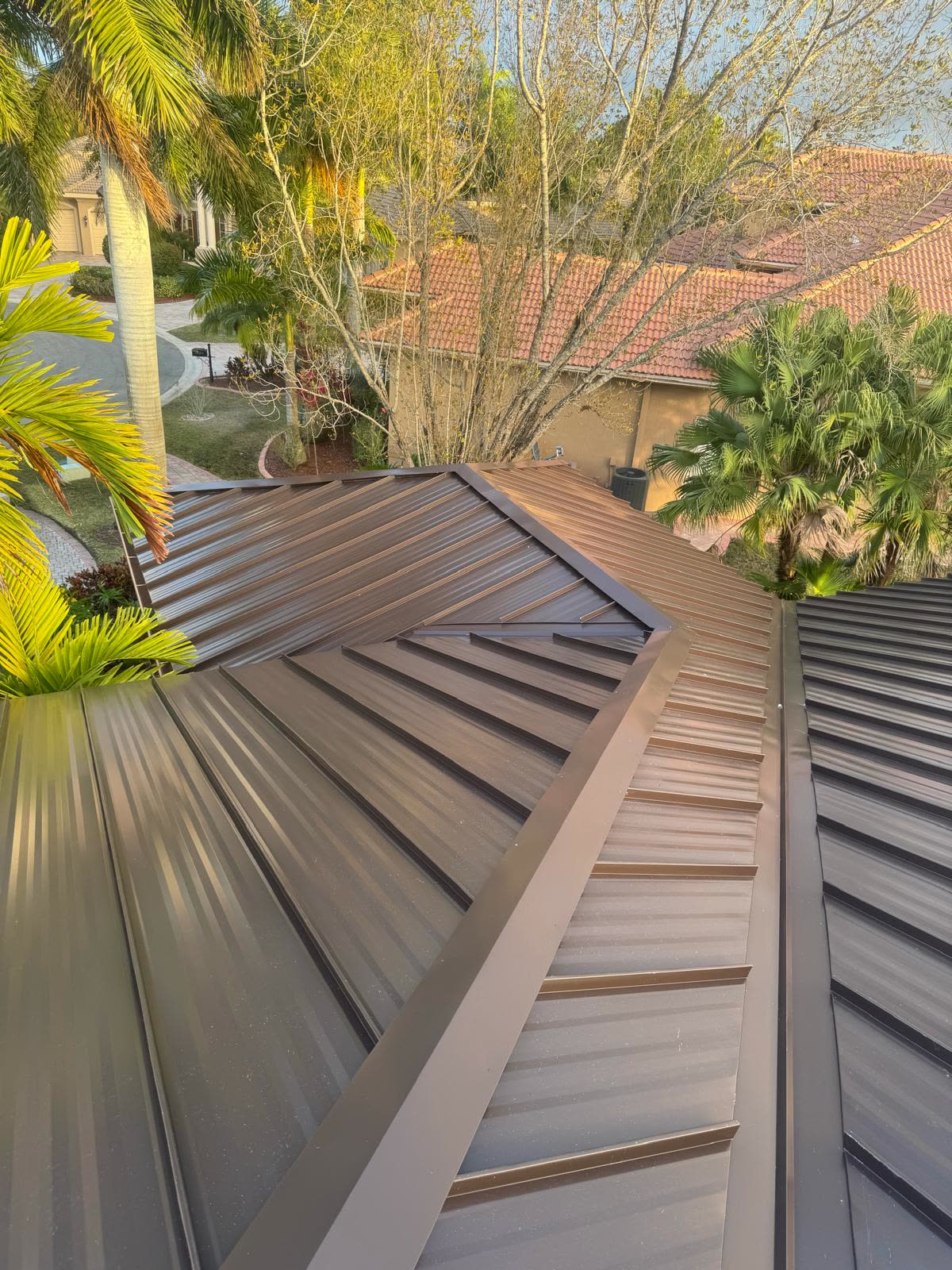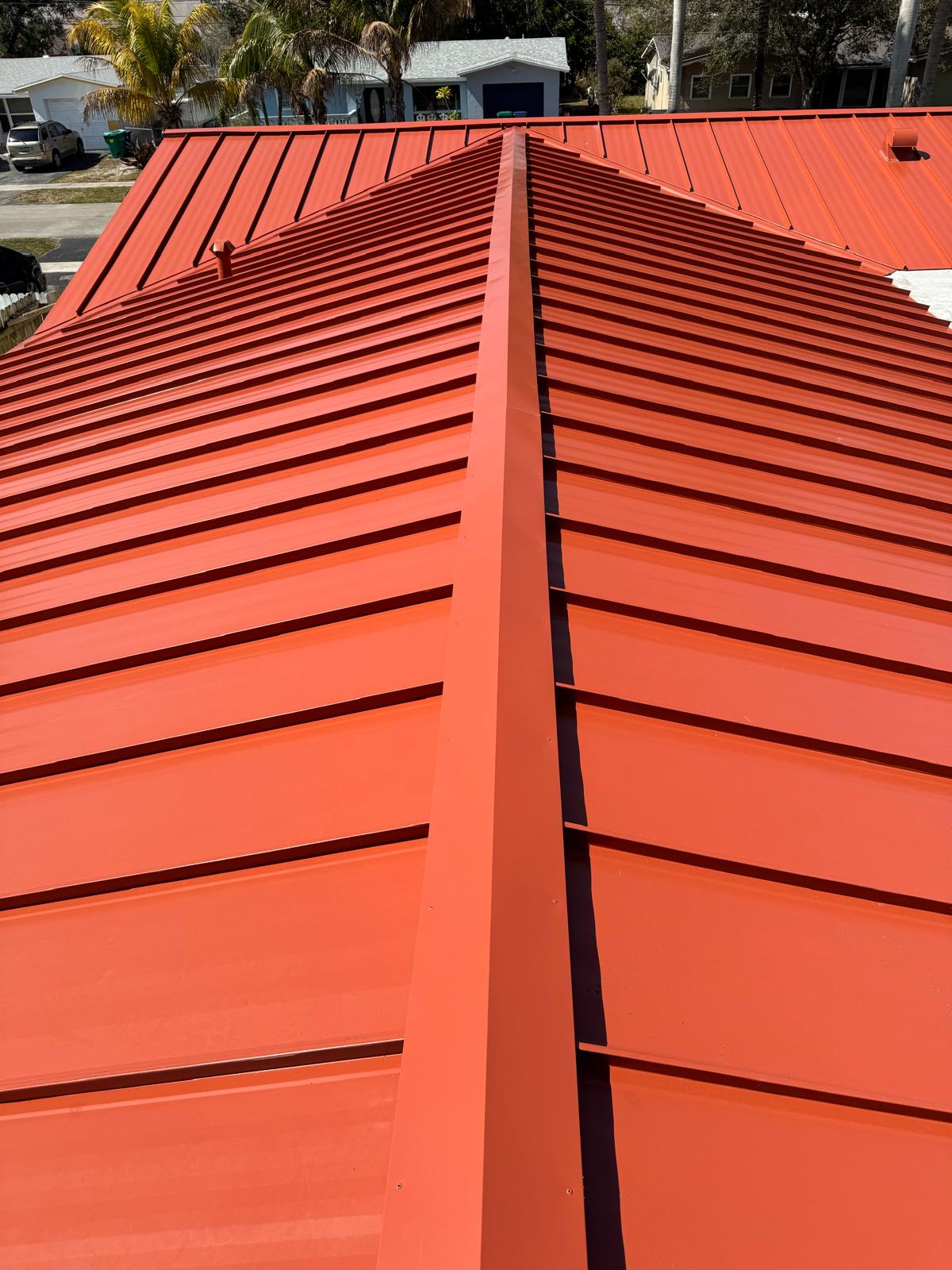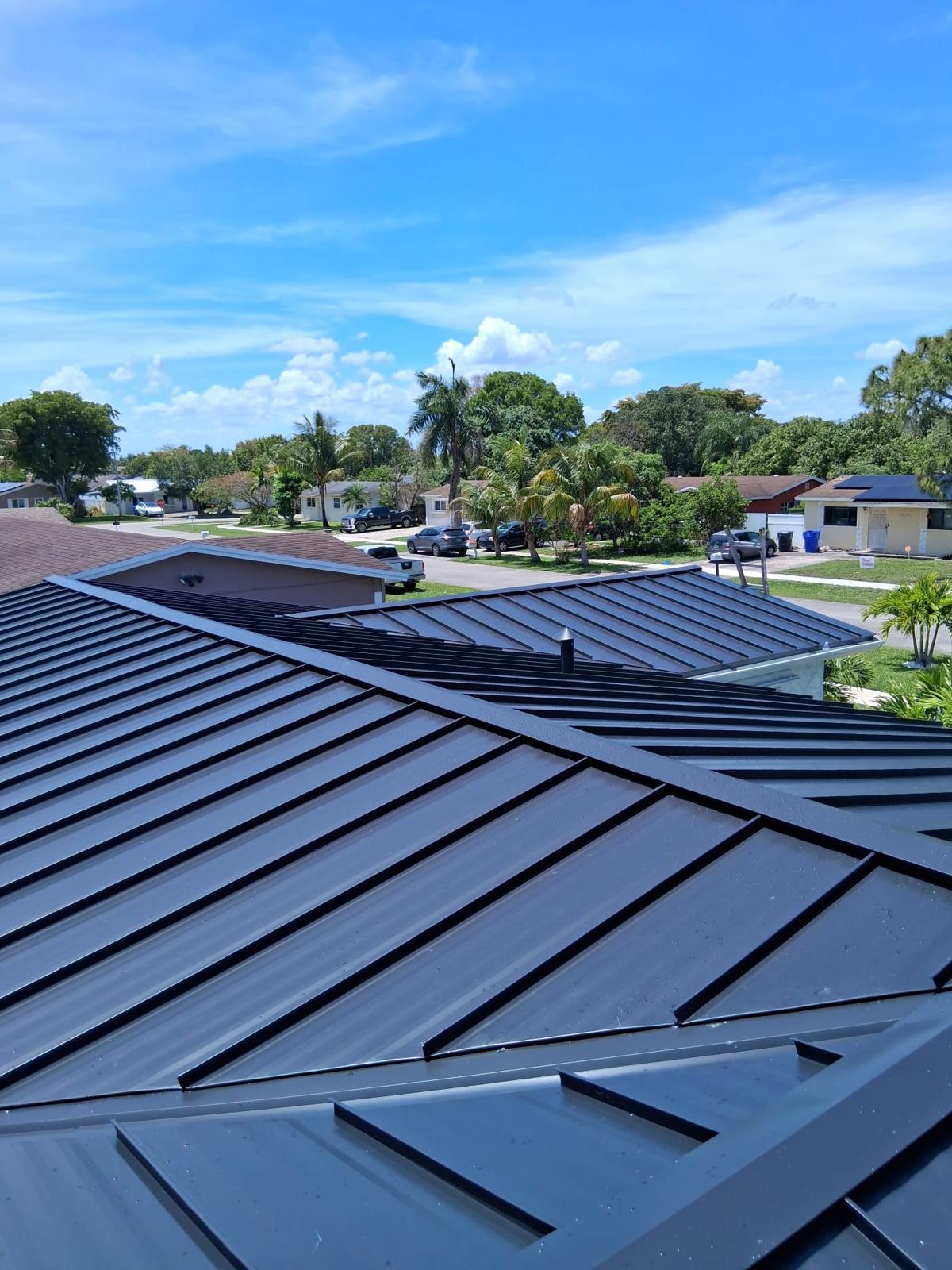
A roof usually carries two warranties: the contractor’s workmanship warranty, which covers how it was installed, and the manufacturer’s warranty, which covers the materials. They protect against different failures, so you want to know the terms of both.
Workmanship vs. manufacturer
See also:About SafeTech →| Workmanship | Manufacturer | |
|---|---|---|
| Covers | Installation errors, flashings, leaks from how it was built | Material defects and premature failure |
| Who stands behind it | The contractor. At SafeTech, that is us, whoever installs | The product manufacturer |
| SafeTech term | 10 years on full replacements; 1 year on repaired areas | Per the manufacturer’s terms for the system |
What commonly voids a warranty
- Other trades cutting into the roof (solar, satellite, HVAC) without proper flashing
- Pressure washing or walking on tile improperly
- No maintenance, such as clogged gutters or debris left in valleys
- Storm damage, which is an insurance matter, not a warranty one

Whichever installation crew works on your roof, the workmanship warranty is SafeTech’s.
Third-party protection
Separate from any warranty, every registered SafeTech project includes $30,000 of Contractor Directorii deposit protection. This protects your deposit; it is not a roof warranty. Optional $250,000 full coverage is available for 2.5% of the contract amount. Get every warranty in writing at contract signing.
Reading the fine print
- What is covered and what is excluded
- Whether coverage is pro-rated over time
- Whether labor is included or materials only
- Maintenance requirements to keep coverage
- Whether the warranty transfers to a new owner
Storm damage vs. warranty
Warranties cover defects in materials or installation. Damage from hurricanes, falling trees or debris is generally an insurance matter. Keep both your warranty documents and your insurance policy information together.
Keep your warranty valid
- Register the manufacturer warranty if required
- Keep gutters and valleys clear
- Use a roofer to flash any new rooftop equipment
- Schedule an inspection after major storms
- Keep your closeout documents and photos
Frequently asked questions
What does a roofing workmanship warranty cover?
Problems caused by how the roof was installed, such as flashing or fastening errors.
What is SafeTech’s workmanship warranty?
10 years on full replacements and 1 year on the specific area repaired.
Does a warranty cover hurricane damage?
Generally no. Storm damage is an insurance matter.
Is my warranty transferable?
Yes, SafeTech’s workmanship warranty transfers to a new owner if you sell. Transfer terms are in your contract. Manufacturer warranty transfer terms are set by the manufacturer.
About the author
Roshy Rajan has worked in Broward County real estate and construction since 2006. He founded SafeTech Roofing and Windows (SafeTech Builders Inc.) after a hurricane left a friend with roof and window damage and the referrals kept coming. Florida Certified General Contractor CGC1537934 · Certified Roofing Contractor CCC1336954 · BBB Accredited.