

Condominium Roofing in Century Village
Roofing here is not a homeowner decision — it is a board decision, with reserves, bids, residents, and a schedule attached to it. That is a different job, and it needs a contractor who has done it before.
SafeTech Roofing and Windows works with Century Village associations and property managers on building-by-building re-roof programmes, low-slope and tile systems, reserve-study support, and round-the-clock leak response between projects.
About Century Village
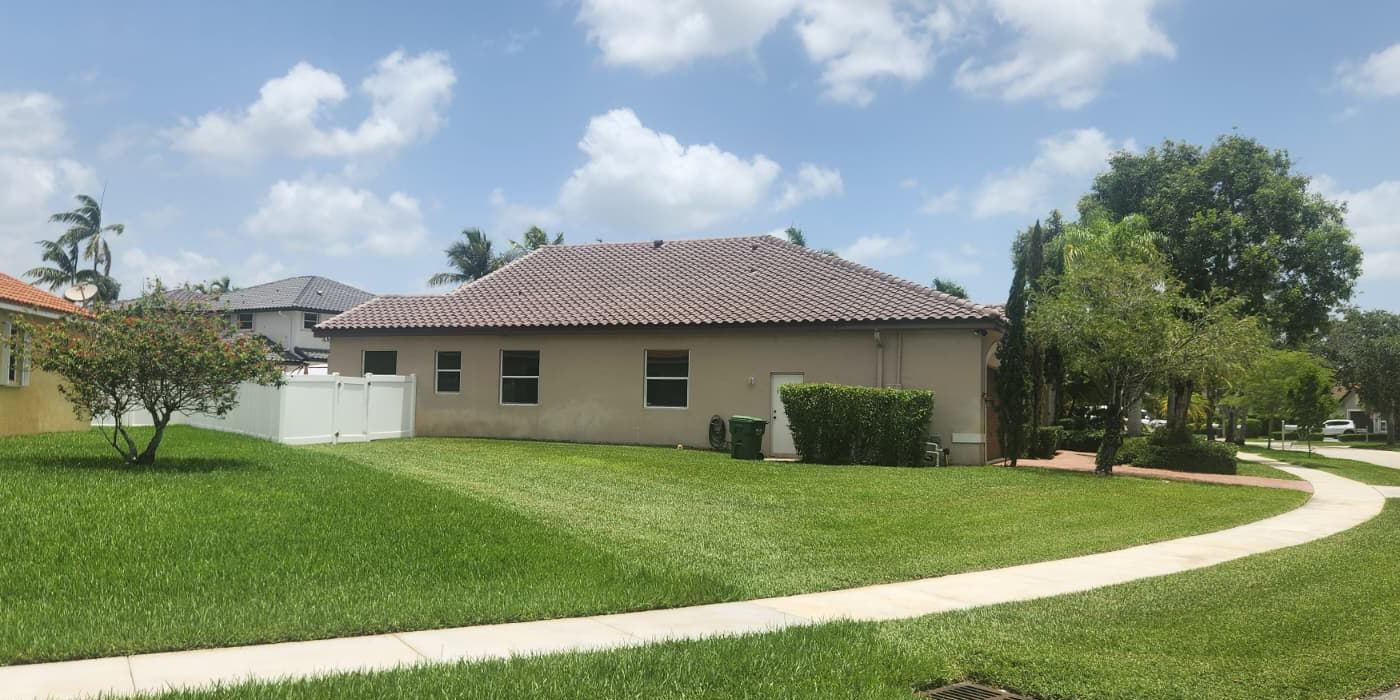
Century Village in Pembroke Pines is one of the largest residential communities in Broward County — a 55-plus community of low-rise condominium buildings, shared amenities, and a governance structure that makes every exterior project a collective one.
The roofing consequence is straightforward. Almost no roof here belongs to one household. A single roof plane covers many units, the association owns and maintains it, and the money comes from reserves or an assessment that has to be justified to the people paying it.
That means the technical work is only half the job. The other half is sequencing, documentation, and communication — bidding a scope the board can compare fairly, phasing buildings so residents are never left exposed, and reporting in a way that satisfies both the reserve study and the insurer.
Why Roofing in Century Village Is Different
Six things make condominium roofing in Century Village a different discipline from single-family work — and each one is somewhere a project can go wrong.
The roof belongs to the association
Scope, approval, and payment all run through the board. We write bids that can be compared line by line, not lump-sum numbers that hide the differences.
Flat and low-slope systems dominate
Modified bitumen and single-ply membrane behave nothing like tile. Drainage, ponding, and detailing at every penetration decide how long the roof lasts.
Buildings stay occupied throughout
Residents are home during the day. Noise windows, walkway protection, parking coordination, and daily clean-up are part of the scope, not an afterthought.
Funding is planned years ahead
Boards need realistic remaining-life figures per building to fund reserves properly. We provide condition reporting written for a reserve study, not a sales pitch.
Buildings go in a sequence
The order matters — worst condition first, then by exposure and access. A phased programme spreads cost and keeps every building dried in each night.
Documentation is the deliverable
Permit close-outs, warranties, and photo records per building. Boards turn over; the file is what survives and what the next insurer will ask for.
How We Work With Boards and Property Managers
A condominium re-roof is a governance project as much as a construction one. Here is how we keep both halves under control.
- A condition survey per building, with remaining life and photographs
- A line-item scope that competing bids can be measured against
- A phasing plan with dates, buildings, and dependencies
- A resident communication pack you can send as-is
- Permit and inspection records per building, as they close
- Warranty and wind mitigation documents for the association file
Emergency cover between phases
A building waiting its turn still leaks. We respond around the clock and dry in the affected area so nobody is waiting on a schedule to stay dry.
Insurance and claim support
After a named storm we document damage building by building with dated photographs, in the format carriers and adjusters expect to receive.
Reserve-study input
Realistic remaining-life figures per building so the reserve line is funded on evidence rather than a round number.
One point of contact
A single project manager for the board, the property manager, and residents. No board member should be fielding roofing calls.
Roof Systems for Multi-Unit Buildings
Multi-unit buildings usually carry more than one system on the same roof — a low-slope field with tile or shingle on the visible slopes. Here is how each behaves and what it costs the association over time.
Modified bitumen (two-ply)
The workhorse of low-slope residential roofing in South Florida. Torch- or self-adhered plies build a redundant, repairable system that a maintenance crew can patch cleanly for decades. Less reflective than a white membrane, so pair it with a cap sheet that suits the exposure.
TPO single-ply membrane
A heat-welded white membrane with excellent reflectivity, which measurably reduces cooling load on the units directly beneath it. Fast to install over large areas. The weak point is always the detailing at penetrations and terminations, so workmanship matters more than material grade.
Concrete tile on visible slopes
Where buildings carry pitched, street-facing slopes, tile is usually what is there and usually what should go back. It carries the appearance of the community and lasts far longer than the low-slope field beside it, which is why the two ends of the same roof rarely need replacing at the same time.
Architectural shingle on pitched sections
Where the buildings are shingle rather than tile, modern architectural product is a substantial upgrade on what came off — heavier mats, high-wind ratings, sealed starter courses, six-nail patterns. The important thing in a phased programme is holding one colour across every building.
Florida Building Code, in Plain English
Broward County is a High Velocity Hurricane Zone, and multi-unit buildings are inspected to the same strict standard as houses — with more penetrations, more terminations, and more units underneath if something is missed.
A self-adhered membrane bonded straight to the deck beneath the tile or shingle. If wind ever strips the surface, the house still stays dry underneath. Older roofs in this neighbourhood almost never have one.
Sheathing re-nailed to current uplift standards and soft plywood replaced. It is recorded on your wind mitigation form, and it is one of the credits carriers actually pay for.
New valley metal, wall and counter flashing, pipe boots, and drip edge — replaced, never reused. Reused flashing is the most common shortcut in this market and the most common two-year-old leak.
Every system is fastened per its current Florida Product Approval for our wind zone, tighter at perimeters, corners, hips, and ridges where uplift pressure peaks.
Balanced intake and exhaust lowers attic temperature, extends roof life, and eases the load on your air conditioning — worth more the older and less insulated the house is.
Signed inspections at every required stage and a permit close-out you keep. It is what protects you at resale and at renewal.
Hurricane Impact Windows in Century Village
Window projects in a condominium follow the same logic as roofing: they are usually approved and specified at the association level, and consistency across the building is part of the requirement.
Uniform across the building
Frame colour, grid pattern, and glass tint have to match across units. We specify one approved product set so owners are not each choosing separately.
Insurance credits
Opening protection earns windstorm mitigation credits for the units that carry it, and a documented building-wide programme is far easier for a carrier to price.
Quieter, cooler units
Laminated Low-E glass cuts heat gain and noticeably dampens outside noise — a real benefit in a dense, amenity-rich community.
Laminated glass bonds two panes to a tough interlayer, so on impact it can crack but stays in the frame and the envelope holds. Frames are anchored per code and inspected under permit. We also install impact sliding glass doors and entry doors, permitted and inspected like every other part of the job.
Roofing & Window Services in Century Village
Building-Wide Re-Roof Programmes
Phased, priced per building, with a scope that competing bids can be compared against and a schedule residents can plan around.
Flat & Low-Slope Roofing
Modified bitumen and single-ply membrane, tapered insulation, and drainage corrections — the systems most of these buildings actually depend on.
Condition Surveys & Remaining-Life Reports
Photo-documented per building, written so a reserve study or a carrier can rely on the numbers.
Emergency Leak Response
A building waiting its turn still leaks. We dry in the affected area the same day and document it for the association file.
Preventive Maintenance Programmes
Scheduled drain and scupper clearing, penetration checks, and flashing review — the cheapest way to reach the reserve date on plan.
Hurricane Impact Windows & Doors
One approved product set across the building, permitted, inspected, and documented for every owner’s mitigation credit.
Our Process & Permits
Four stages, built around how a board actually has to make decisions.
Survey & report
Building-by-building condition survey with photographs and remaining-life figures the board can take to a reserve discussion.
Scope & phasing
A line-item scope and a proposed sequence, so bids are comparable and the programme fits the funding.
Permits & notice
Pembroke Pines permits pulled per building under our licence, with resident notice issued before each phase starts.
Build & close-out
Walkways protected, daily clean-up, buildings dried in nightly, inspections signed off, and a document pack delivered per building.
Maintenance Checklist for Association-Managed Roofs
Century Village Roofing & Impact Window FAQs
Who is responsible for the roof in Century Village?
In almost every case the association owns and maintains the roof, because a single roof plane covers many units. That makes roofing a board decision, funded from reserves or an assessment. We confirm the position in your governing documents before quoting anything.
How should a board sequence a multi-building re-roof?
Worst condition first, then by exposure, access, and how the funding lands. We survey every building, give each a remaining-life figure, and propose a sequence you can defend to owners — with each building dried in nightly so nobody is left exposed while they wait.
Can you provide figures for our reserve study?
Yes. We provide a photo-documented condition survey with a remaining-life estimate per building, written to be used as evidence in a reserve study rather than as a sales document. Boards use it to fund the roofing line on something better than a round number.
What happens if a building leaks before its turn in the programme?
We respond around the clock, dry in the affected area the same day, and document it for the association file. A phased programme should never mean a resident waiting out a leak until their building comes up.
How do you handle residents during the work?
Written notice before each phase, protected walkways and parking coordination, defined working hours, and daily clean-up with magnet sweeps. We also supply a resident communication pack the property manager can send out unchanged.
What does the association receive at the end?
Per building: the signed permit close-out, manufacturer and workmanship warranty certificates, wind mitigation documentation, and the full photo record. That file is what the next board and the next insurer will ask to see.
Our Service Area Around Century Village
Century Village sits in Pembroke Pines in southwest Broward County, close to Pines Boulevard and the surrounding residential communities. We work with associations and managers across this corridor year-round.
Nearby communities we serve
Keep your Century Village property protected — and your paperwork in order
Start with a building-by-building condition survey. You get remaining-life figures, photographs, and a phasing plan your board can actually vote on.