

Roof Replacement in Walnut Creek
If your roof continues over your neighbour’s ceiling, it is not really your roof. It is one roof with several owners attached to it — and that changes who decides, who pays, and how the work has to be scoped.
SafeTech Roofing and Windows is a licensed Broward County roofing contractor experienced in attached-home roofing: reading the declaration, scoping whole buildings, coordinating owners, and issuing paperwork every household can use.
About Walnut Creek
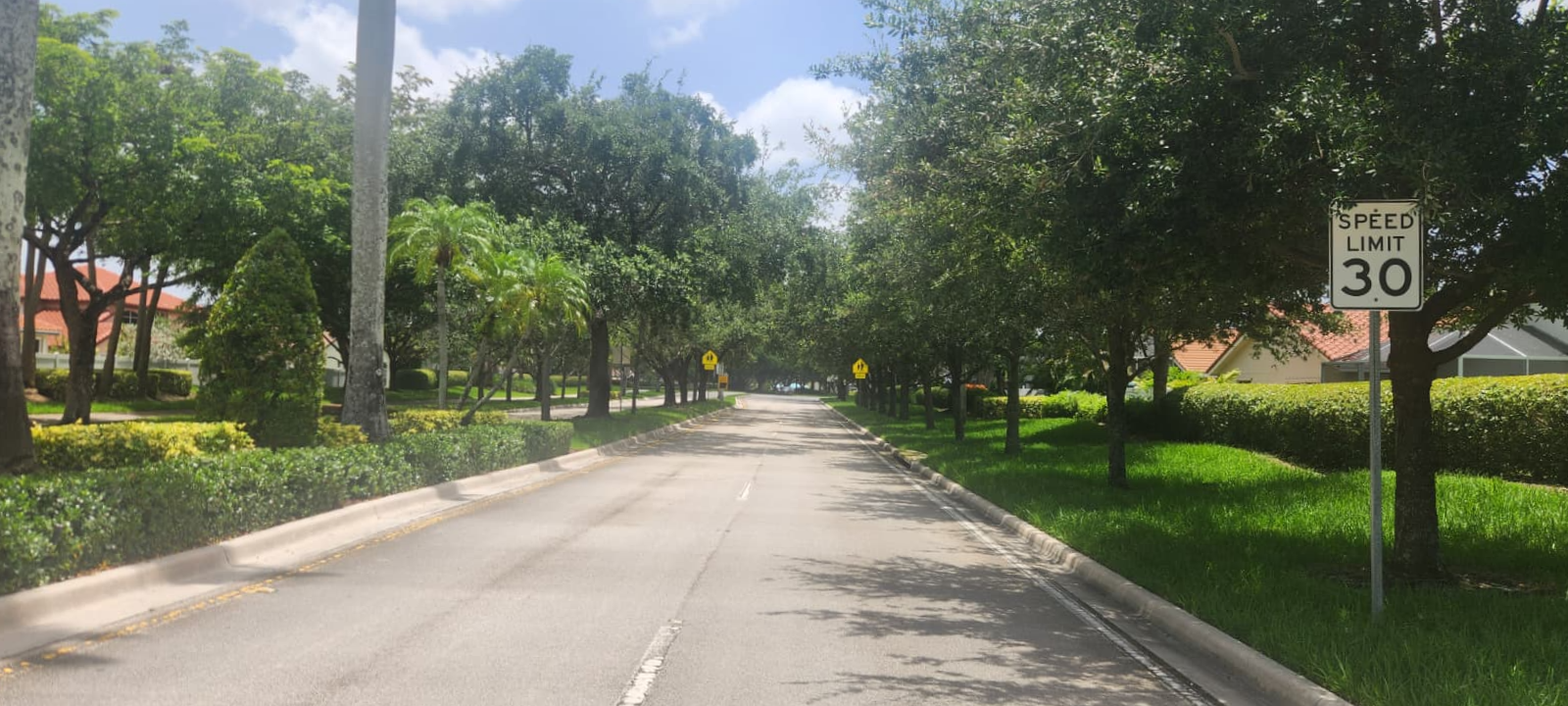
Walnut Creek is a residential community in Pembroke Pines with a mix of detached single-family homes and attached townhomes and villas, sharing the same streets, the same landscaping standards, and the same architectural review.
For a detached home the roofing conversation is the usual one. For an attached home it is not. A roof plane that spans three or four units belongs to all of them — sometimes literally, through the association, and sometimes through a maintenance obligation buried in the declaration.
Getting that question answered before anything else is the single most important step in an attached-home roof project. Almost every dispute we have seen in communities like this traces back to work that started before ownership and scope were settled in writing.
Why Roofing in Walnut Creek Is Different
Six practical realities of roofing a building rather than a house.
The declaration decides, not the deed
Some associations maintain the roof surface; others leave it with owners. It is written down, and it must be read before anything is quoted.
A partial re-roof creates a seam
Replacing one owner’s section leaves a joint over a neighbour’s ceiling. Where replacement is needed, the building gets scoped as a whole.
Cost has to be apportioned fairly
Usually by unit or by roof area. Whichever method applies, it should be agreed and documented before the first tile comes off.
Several households, one schedule
Written per-unit scheduling, protected driveways, defined working hours, and daily magnet sweeps. Everyone should know what happens on which day.
One building, one permit trail
The permit is pulled for the work performed, and each owner should end up with documentation that reflects their unit.
Every owner needs their own file
Insurers deal with owners individually. Each household needs its own close-out, warranty, and wind mitigation documentation.
How a Shared Roof Project Actually Works
Six steps, in order. Skipping the first two is how attached-home projects go wrong.
- Read the declaration and establish who owns and maintains the roof
- Survey the whole building, not just the unit that called us
- Scope it as one roof with a single line-item price
- Agree apportionment in writing before any work is booked
- Schedule per unit and issue notice to every household
- Close out per owner with individual documentation
If only one unit is leaking
That is a repair, and it does not require the whole building. We fix the failure, document it, and give the building a remaining-life figure so nobody is surprised later.
If the association owns the roof
We work with the board or property manager: a condition survey, a comparable line-item scope, and a phasing plan that fits the reserve position.
If owners own their sections
We help the group get to one scope and one price with a fair apportionment, which is almost always cheaper per household than separate projects.
Keeping neighbours onside
Written notice, defined hours, protected parking and walkways, daily clean-up. Most complaints on attached projects are about communication, not roofing.
Materials for Attached and Detached Homes
On an attached building the material decision is collective and consistency is usually a requirement. On a detached home it is entirely yours.
Concrete tile — flat, barrel, or slate-look
The longest-lived mainstream option in South Florida. Flat profiles read as slate and are the simplest to flash cleanly; barrel gives the Mediterranean shadow line; slate-look adds texture on larger, more visible planes. Heavy, so the structure has to be built for it — which yours is if it carries tile today.
Architectural (dimensional) asphalt shingle
Lowest entry cost, fastest install, and far better than older shingle products — heavier mats, high-wind ratings, sealed starter courses, six-nail patterns. The honest limitation is climate: 15 to 20 years of real service life here, so you will do this again.
Standing-seam metal
The best wind performance available, concealed fasteners with nothing exposed to degrade, and a reflective finish that measurably lowers attic temperature. It costs more up front and is unforgiving of poor workmanship — the panels are only as good as the flashing around them.
Flat and low-slope areas
The section over a lanai, bay, or entry projection, re-covered in modified bitumen or membrane rather than tile or shingle. Shorter life than the surface beside it, and the most commonly skipped part of a roof — which is why so many mystery leaks start here.
Florida Building Code, in Plain English
Broward County is a High Velocity Hurricane Zone, and a multi-unit roof is inspected to the same standard as a house — with more terminations and more households underneath if a detail is missed.
A self-adhered membrane bonded straight to the deck beneath the tile or shingle. If wind ever strips the surface, the house still stays dry underneath. Older roofs in this neighbourhood almost never have one.
Sheathing re-nailed to current uplift standards and any soft plywood replaced. It is recorded on your wind mitigation form, and it is one of the credits carriers actually pay for.
New valley metal, wall and counter flashing, pipe boots, and drip edge — replaced, never reused. Reused flashing is the most common shortcut in this market and the most common two-year-old leak.
Every system is fastened per its current Florida Product Approval for our wind zone, tighter at perimeters, corners, hips, and ridges where uplift pressure peaks.
Balanced intake and exhaust lowers attic temperature, extends roof life, and eases the load on your air conditioning — worth more the older and less insulated the house is.
Signed inspections at every required stage and a permit close-out you keep. It is what protects you at resale and at insurance renewal.
Hurricane Impact Windows in Walnut Creek
Windows are usually an individual decision even in an attached building — but frame colour and grid pattern normally have to match the rest of the building.
Match the building
Frame colour and grid pattern are reviewed for consistency. We specify to the approved standard so your unit does not stand out.
Insurance credits
Windstorm mitigation credits are assessed per home, so each owner earns their own once the whole unit is protected.
Comfort and quiet
Laminated Low-E glass cuts heat gain and UV fading, and the interlayer noticeably dampens noise — including from next door.
Laminated glass bonds two panes to a tough interlayer. On impact it can crack but stays in the frame, so the envelope holds and wind pressure never gets inside to lift your roof. Frames are anchored per code and inspected under permit. We also install impact sliding glass doors and entry doors, permitted and inspected like every other part of the job.
Roofing & Window Services in Walnut Creek
Whole-Building Roof Replacement
One scope, one price, fair apportionment, and per-unit scheduling so every household stays dry and informed throughout.
Single-Family Roof Replacement
Full tear-off and rebuild to current code — secondary water barrier, re-nailed deck, and all-new flashings.
Roof Repair & Leak Diagnosis
We trace the entry point rather than chasing the stain, and on a shared roof we tell you whether it is a unit issue or a building issue.
Building Condition Surveys
Photo-documented remaining-life reporting for the whole building — the basis for a fair scope and a funded plan.
Storm Damage & Emergency Repair
Dry-in to stop the loss, dated documentation before anything is disturbed, and a scope your carrier can work from.
Hurricane Impact Windows
Impact glass in the building’s approved frame colour and grid pattern, permitted and documented for your own mitigation credit.
Our Process & Permits
Four steps, with the ownership question settled before anything else happens.
Documents & survey
We read the declaration to establish responsibility and survey the whole building, not just the unit that called.
Scope & apportionment
One line-item scope for the building and an agreed, documented split before any work is booked.
Notice & permit
Written notice to every household and the Pembroke Pines permit pulled under our licence.
Build & per-unit close-out
Driveways and walkways protected, daily magnet sweeps, and individual documentation issued to every owner.
Checklist for Attached-Home Owners
Walnut Creek Roofing & Impact Window FAQs
Who is responsible for the roof on my Walnut Creek townhome?
Your governing documents decide it, and it varies between sections. Some associations maintain the roof surface; others leave it with the owner. We read the declaration with you before quoting anything, because almost every dispute we have seen started with work that began before this was settled.
Can I just replace my own section?
Technically sometimes, practically almost never a good idea. A partial re-roof leaves a joint sitting over a neighbour’s ceiling, and that joint is where the next leak appears. Where replacement is genuinely needed we scope the building as one roof.
How is the cost split between owners?
Usually by unit or by roof area, depending on what the documents say. Whichever method applies, it should be agreed and written down before the first tile comes off. One scope and one price for the building is almost always cheaper per household than separate projects.
What if only my unit is leaking?
Then it is a repair, and it does not require the whole building. We fix the failure, document it, and give the building an honest remaining-life figure so the group knows what is coming and can plan for it.
How do you handle the neighbours during the work?
Written notice before we start, a per-unit schedule, defined working hours, protected driveways and walkways, and daily magnet sweeps. Most complaints on attached-home projects are about communication rather than roofing.
What documentation does each owner get?
Every household receives its own permit close-out, warranty certificate, and wind mitigation documentation. Insurers deal with owners individually, so a single file held by one neighbour is no use to anybody else.
Our Service Area Around Walnut Creek
Walnut Creek sits in Pembroke Pines in southwest Broward County, among the residential communities off the main east–west corridors. Our crews work this area year-round.
Nearby communities we serve
Sort out who owns the roof before anyone starts work
A free survey of the whole building, a written answer on responsibility, and one scope your neighbours can actually agree on.