
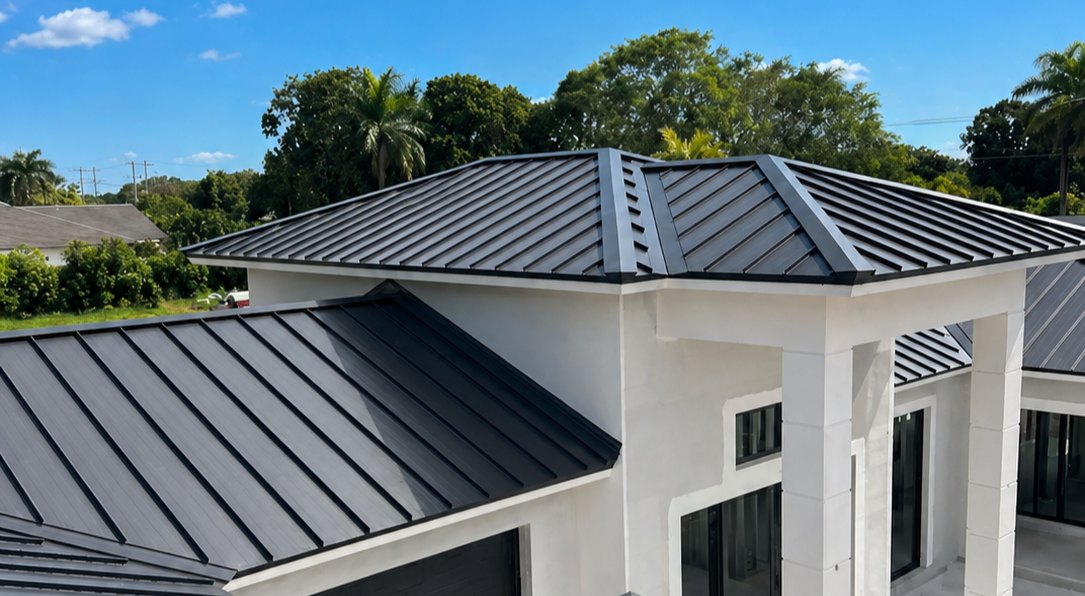
Roof Replacement in Keystone Lakes
On a lakefront lot there is nothing between the water and your roof edge. No buildings, no trees, nothing to break the gust — and the humidity coming off that water works on the roof every single day.
SafeTech Roofing and Windows is a licensed Broward County roofing contractor working throughout Keystone Lakes on tile and shingle roof replacement, leak repair, inspections, and hurricane impact windows.
About Keystone Lakes
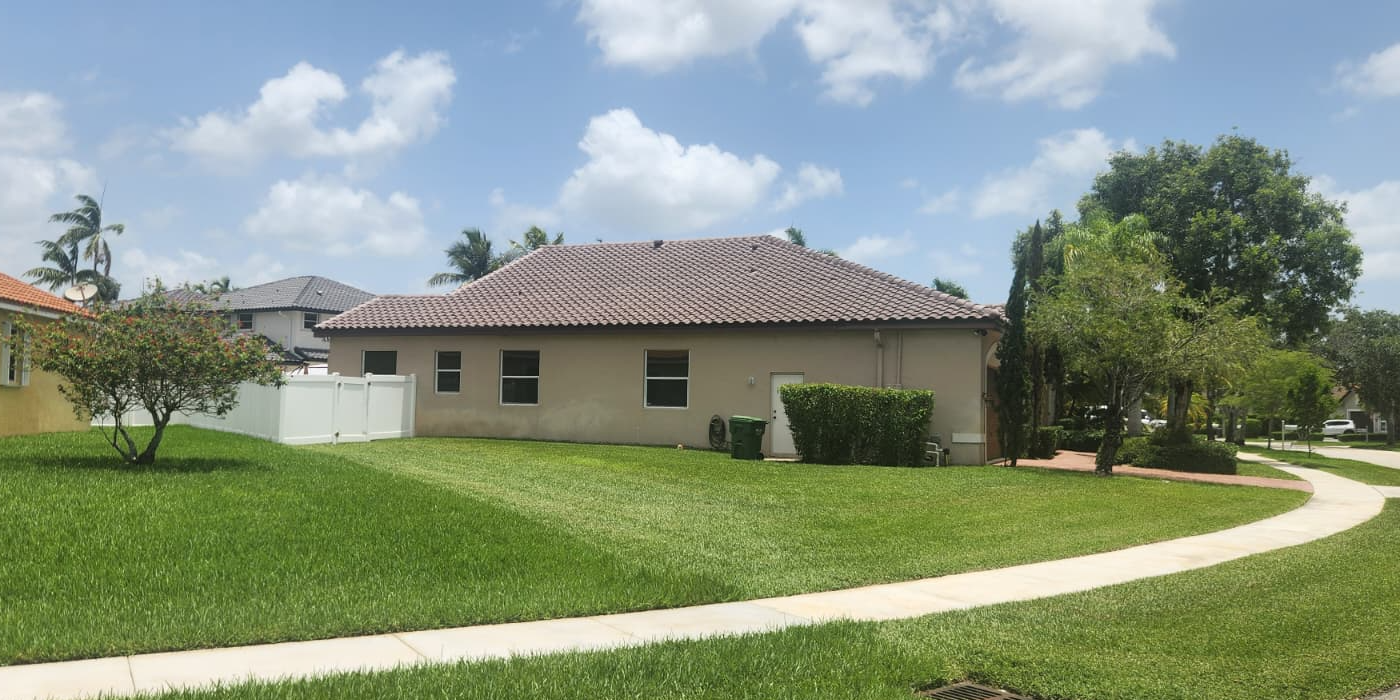
Keystone Lakes is a residential community in Pembroke Pines built around its water — lakes, waterfront lots, and the walking routes and green space that come with them.
Waterfront living is the reason people buy here and the reason the roofs need a slightly different conversation. A lake gives wind a clear, unobstructed run at whatever stands on the far side of it. That run is called fetch, and it means the roof edge, ridge, hip, and rake on the water side take uplift pressure an interior lot never sees.
The second factor is constant moisture. Air off the water keeps shaded slopes damp, which grows algae, softens organic debris in the valleys, and gives biological growth a permanent foothold. Neither is dramatic. Both shorten roof life if nobody accounts for them.
Why Roofing in Keystone Lakes Is Different
Six conditions define roofing on a waterfront lot — and the first three do not apply at all to a house two streets inland.
Open water means unbroken wind
Nothing upwind slows the gust. Perimeter, corner, ridge, and rake zones on the water side carry the highest uplift pressure on the whole roof.
Slopes that never fully dry
Air off the lake keeps shaded planes damp. Damp surfaces grow algae, hold debris, and give moisture longer to find a way under the surface.
Wet litter in the valleys
Organic debris that stays wet packs harder and holds moisture against the underlayment. Twice-a-year valley clearing is a minimum here, not a nicety.
Screens and cages on the water side
Pool cages and screened lanais face the lake and take the same wind. Their attachment and the flashing where they meet the house both need checking.
Wide glass on the lake elevation
Waterfront floor plans put their biggest sliders and windows where the wind is strongest. That is a lot of opening to protect.
Waterfront buyers scrutinise the envelope
Roof, windows, and enclosure documentation are the first things asked about on a waterfront resale — and the easiest to have ready.
What Waterfront Exposure Actually Changes
Same house, same year, different lot — and a roof that should be specified and maintained differently.
- Tighter fastening in perimeter and corner uplift zones
- Closer ridge, hip, and rake detailing on the water elevation
- Heavier edge metal where wind gets its first grip
- Algae-resistant surface selection on shaded planes
- Enclosure and cage flashing checked as part of the scope
- A twice-yearly debris schedule rather than an annual one
Inspect after every wind event
Not just after a leak. Edge and ridge damage on an exposed elevation is easy to miss from the ground and cheap to fix early.
Do not pressure-wash tile
It is the standard advice for algae and it is wrong. Pressure washing strips the tile surface and loosens mud-set hips and ridges. There are proper treatments.
Include the flat sections
Lanai and bay overhangs have a shorter life than the tile beside them and collect the most debris on a waterfront lot. We always price them together.
Document for resale
Permit close-out, warranty, wind mitigation form, and the inspection history. Waterfront buyers ask, and having the file ready shortens the conversation.
Choosing Your Roof System
On an exposed waterfront lot, wind rating and detailing matter more than the name on the material. Here is the honest comparison.
Concrete tile — flat, barrel, or slate-look
The longest-lived mainstream option in South Florida. Flat profiles read as slate and are the simplest to flash cleanly; barrel gives the Mediterranean shadow line; slate-look adds texture on larger, more visible planes. Heavy, so the structure has to be built for it — which yours is if it carries tile today.
Architectural (dimensional) asphalt shingle
Lowest entry cost, fastest install, and far better than older shingle products — heavier mats, high-wind ratings, sealed starter courses, six-nail patterns. The honest limitation is climate: 15 to 20 years of real service life here, so you will do this again.
Standing-seam metal
The best wind performance available, concealed fasteners with nothing exposed to degrade, and a reflective finish that measurably lowers attic temperature. It costs more up front and is unforgiving of poor workmanship — the panels are only as good as the flashing around them.
Flat and low-slope areas
The section over a lanai, bay, or entry projection, re-covered in modified bitumen or membrane rather than tile or shingle. Shorter life than the surface beside it, and the most commonly skipped part of a roof — which is why so many mystery leaks start here.
Florida Building Code, in Plain English
Broward County is a High Velocity Hurricane Zone, and on a waterfront lot the code minimums are the floor rather than the goal. Every SafeTech job is permitted through the City of Pembroke Pines and inspected at each stage.
The waterproofing on a modern roof is not the tile or the shingle — it is a self-adhered membrane bonded to the deck below. That layer is the single biggest difference between a roof built today and one built twenty years ago.
Before anything goes back on, the sheathing is re-nailed to current uplift standards and any delaminated plywood is replaced. Your wind mitigation inspector records it, and your carrier prices it.
Valleys, wall flashing, counter flashing, pipe boots, and drip edge all come off and go back new. Roofs leak at their transitions, not in the middle of a slope.
Fastening follows the current Florida Product Approval for the specific product in our wind zone, with tightened spacing in the perimeter and corner zones where uplift is highest.
Balanced intake and exhaust ventilation drops attic temperature, which extends the life of the roof above it and reduces the load on the air conditioning below it.
City of Pembroke Pines permit, inspections signed off at each stage, and a close-out package you keep. It is what a buyer’s inspector and your next insurer will ask for.
Hurricane Impact Windows in Keystone Lakes
Waterfront floor plans put their largest glass on the most exposed elevation. That makes opening protection more valuable here than almost anywhere else in Pembroke Pines.
Protection where it matters
The lake elevation carries the biggest sliders and takes the strongest wind. Impact glass protects the openings panels fit worst.
Insurance credits
Windstorm mitigation credits apply once the whole home has approved opening protection, and they stack with the credits a documented roof earns.
Keep the view, lose the heat
Laminated Low-E glass cuts solar heat gain and UV fading on wide water-facing elevations without darkening the room.
Laminated glass bonds two panes to a tough interlayer. On impact it can crack but stays in the frame, so the envelope holds and wind pressure never gets inside to lift your roof. Frames are anchored per code and inspected under permit. We also install impact sliding glass doors and entry doors, permitted and inspected like every other part of the job.
Roofing & Window Services in Keystone Lakes
Roof Replacement
Full tear-off and rebuild — secondary water barrier, re-nailed deck, and all-new flashings under whichever surface you choose.
Roof Repair & Leak Diagnosis
We trace the entry point rather than chasing the stain — valleys, wall flashing, pipe boots, cracked tile, lifted shingles, and low-slope sections.
Roof Inspection & Documentation
A dated photo report plus the permit record for your address — written to be handed to an underwriter, an adjuster, or a buyer.
Storm Damage & Emergency Repair
Tarping and dry-in to stop the loss, dated documentation before anything is disturbed, and an itemised scope your carrier can work from.
Hurricane Impact Windows
Impact glass in approved frame colours and grid patterns, permitted, inspected, and documented for your wind mitigation credit.
Impact Doors & Sliders
Impact-rated entry doors, French doors, and patio sliders, set and finished so the stucco and trim look like they were always there.
Our Process & Permits
Four steps, with the exposure assessment built into the first one.
Inspection & permit history
Measured roof, dated photo report, permit record, and an itemised price with a stated decking allowance and per-sheet rate.
Recommendation in writing
Repair or replace, with the photographs that support it — and the material options set out honestly.
Approvals & permit
Any architectural submittal prepared for signature, and the Pembroke Pines permit pulled under our licence.
Build & close-out
Driveway and landscaping protected, daily magnet sweeps, inspections signed off, and the full document pack delivered.
Maintenance Checklist for Waterfront Homes
Keystone Lakes Roofing & Impact Window FAQs
Does a lakefront home need a different roof specification?
The material can be the same; the fastening and detailing should not be. Open water gives wind an unbroken run at your roof, so we tighten fastening in the perimeter and corner zones and pay closer attention to ridge, hip, and rake detailing on the water elevation than we would on an interior lot.
Why does my roof grow algae faster than homes inland?
Constant humidity off the lake keeps shaded slopes damp, and damp surfaces grow algae. It is cosmetic at first and a maintenance issue later. Treat it properly — never pressure-wash tile, which strips the surface and loosens mud-set hips and ridges.
Should the pool cage be part of a roofing project?
It should at least be inspected at the same time. Screen enclosures on the water side take the same wind as the roof, and the flashing where the enclosure meets the structure is a common and easily missed leak point.
How often should a waterfront roof be inspected?
Annually at minimum, plus after any named storm or strong wind event. Edge and ridge damage on the exposed elevation is difficult to see from the ground and much cheaper to fix before the next rain finds it.
Are impact windows worth it on the lake elevation?
It is usually where we recommend starting. Waterfront floor plans put their widest sliders on the most exposed side of the house, and those are precisely the openings storm panels fit worst and protect least well.
How long does a roof replacement take?
Architectural shingle is typically 2 to 4 working days and concrete tile 5 to 10. Your home is dried in and watertight within the first day or two, and the City of Pembroke Pines inspects the work at each required stage.
Our Service Area Around Keystone Lakes
Keystone Lakes sits in Pembroke Pines in southwest Broward County, among the lake-centred communities off the main east–west corridors. Our crews work this part of the county year-round.
Nearby communities we serve
Have your Keystone Lakes roof checked for the exposure it actually has
A free inspection tells you what the wind and the water are doing to your roof edges — and whether the last contractor fastened it for a waterfront lot or an average one.