
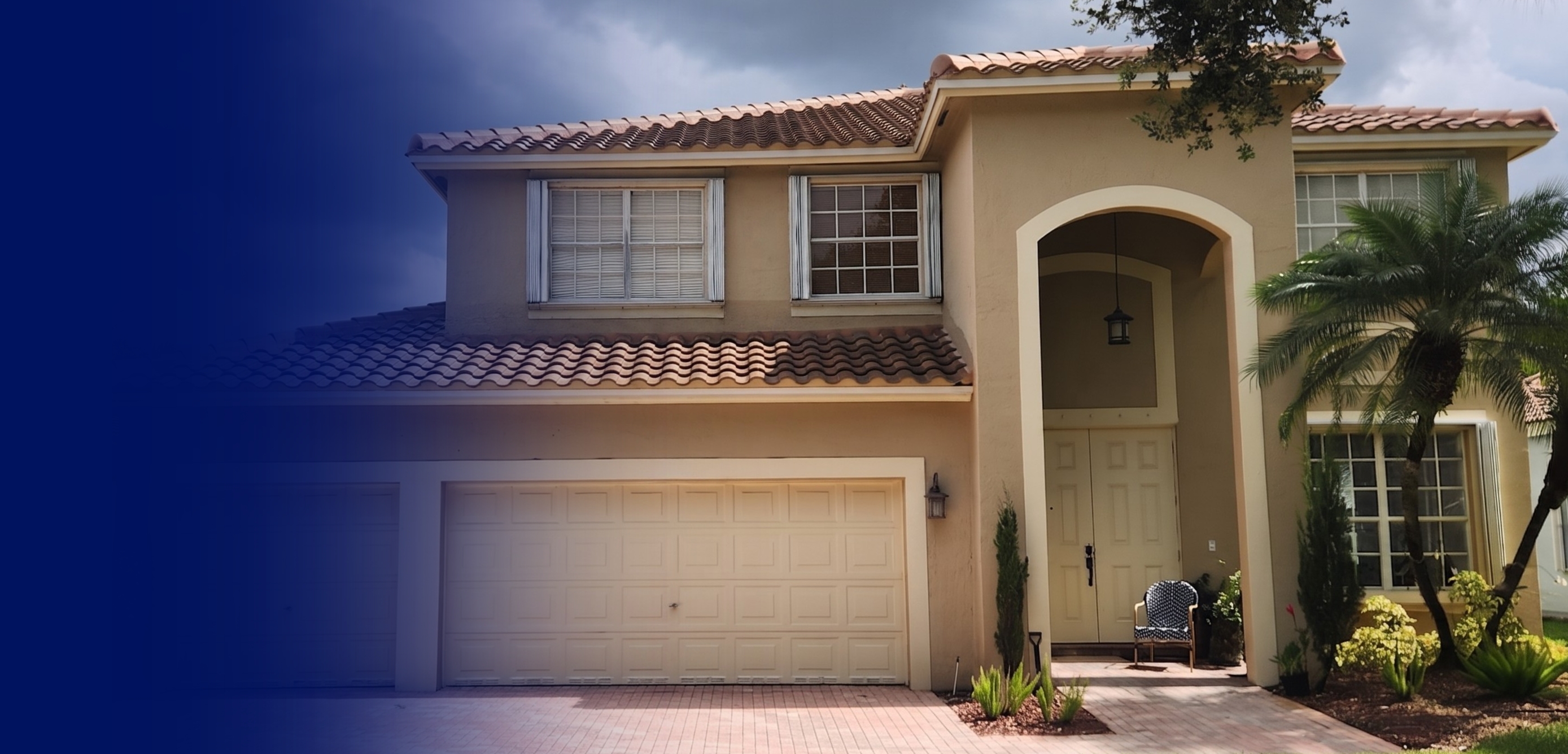
Roof Replacement in Pembroke Isles
Pembroke Isles is not a one-roof neighborhood. Single-family homes here wear concrete tile; villas, coach homes, and townhome buildings wear architectural shingle — and the two age on completely different schedules.
SafeTech Roofing and Windows is a licensed Broward County roofing contractor handling tile and shingle roof replacement, leak repair, inspections, and hurricane impact windows across Pembroke Isles — including attached villa and townhome buildings.




About Pembroke Isles
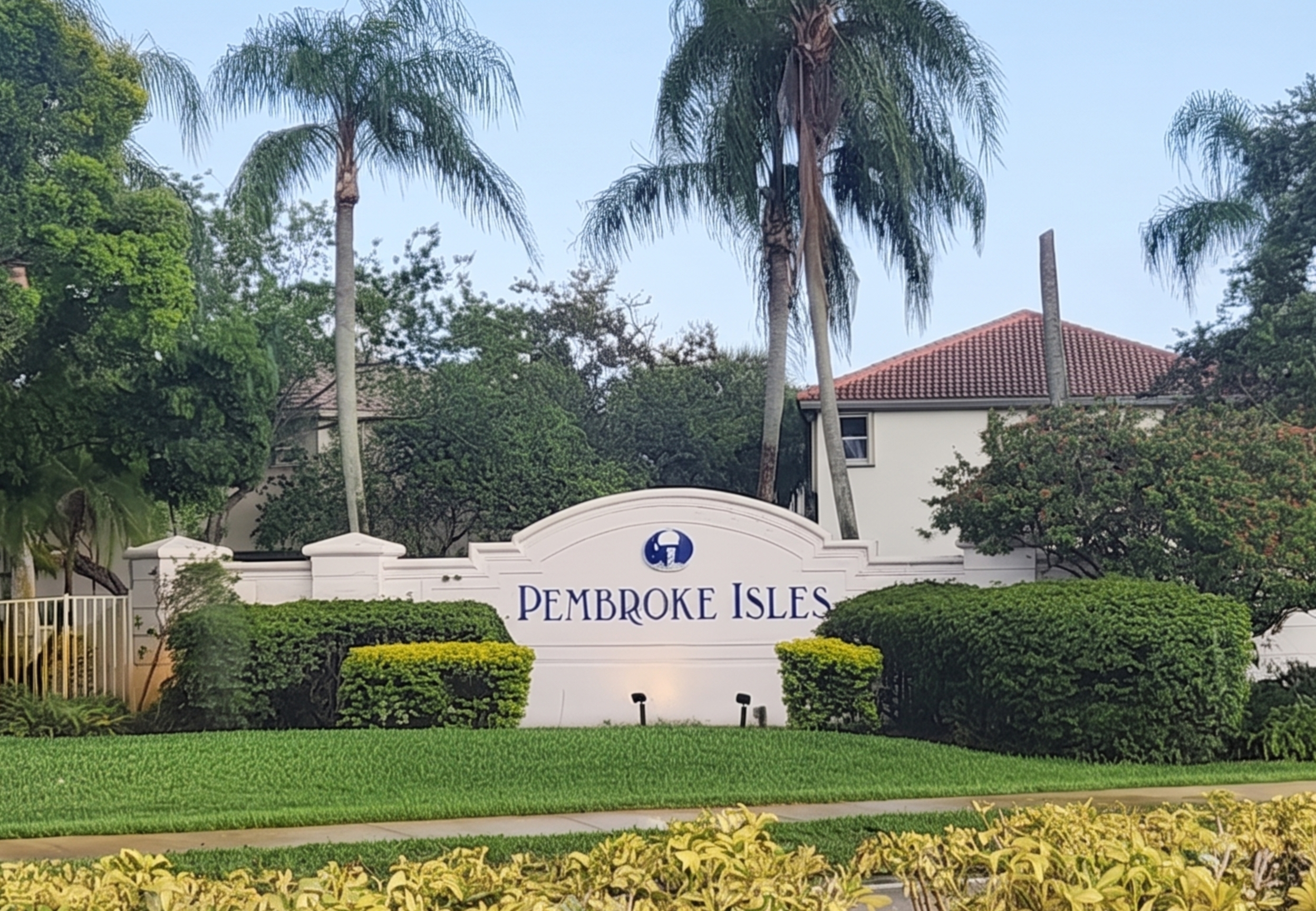
Pembroke Isles is a large gated community in far western Pembroke Pines, developed by Centex in phases from the mid-1990s into the early 2000s. Unlike its neighbors, it was master-planned as a mix of housing types: estate and executive single-family homes on the interior and lakefront streets, plus villas, coach homes, and attached townhome buildings closer to the amenity centers.
That mix is the whole story for roofing. Two houses on the same street can need completely different work at completely different times — a tile roof with 20 good years left next door to a shingle roof a carrier is about to decline.
The community's other defining feature is water. More than a dozen interconnected lakes wind through it, with walking and bike paths, three clubhouses, and preserve land along the west. Beautiful — and consequential. Lakefront lots get uninterrupted wind. Preserve-side lots get constant organic debris. Both show up on the roof.
Why Roofing in Pembroke Isles Is Different
These six conditions come up on almost every Pembroke Isles inspection. Knowing which apply to your address is how you avoid paying for work you don't need — or missing work you do.
Two roof systems, one neighborhood
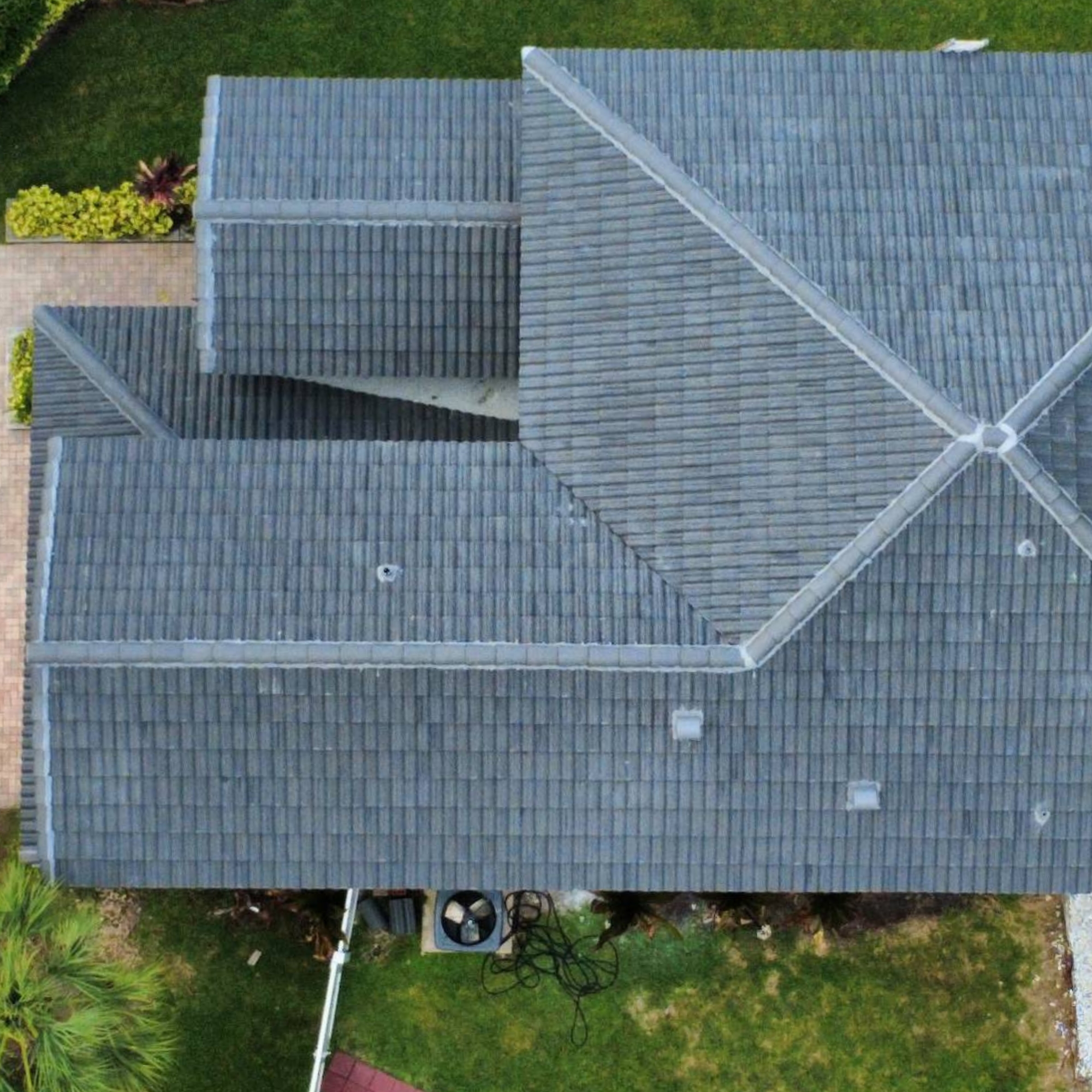
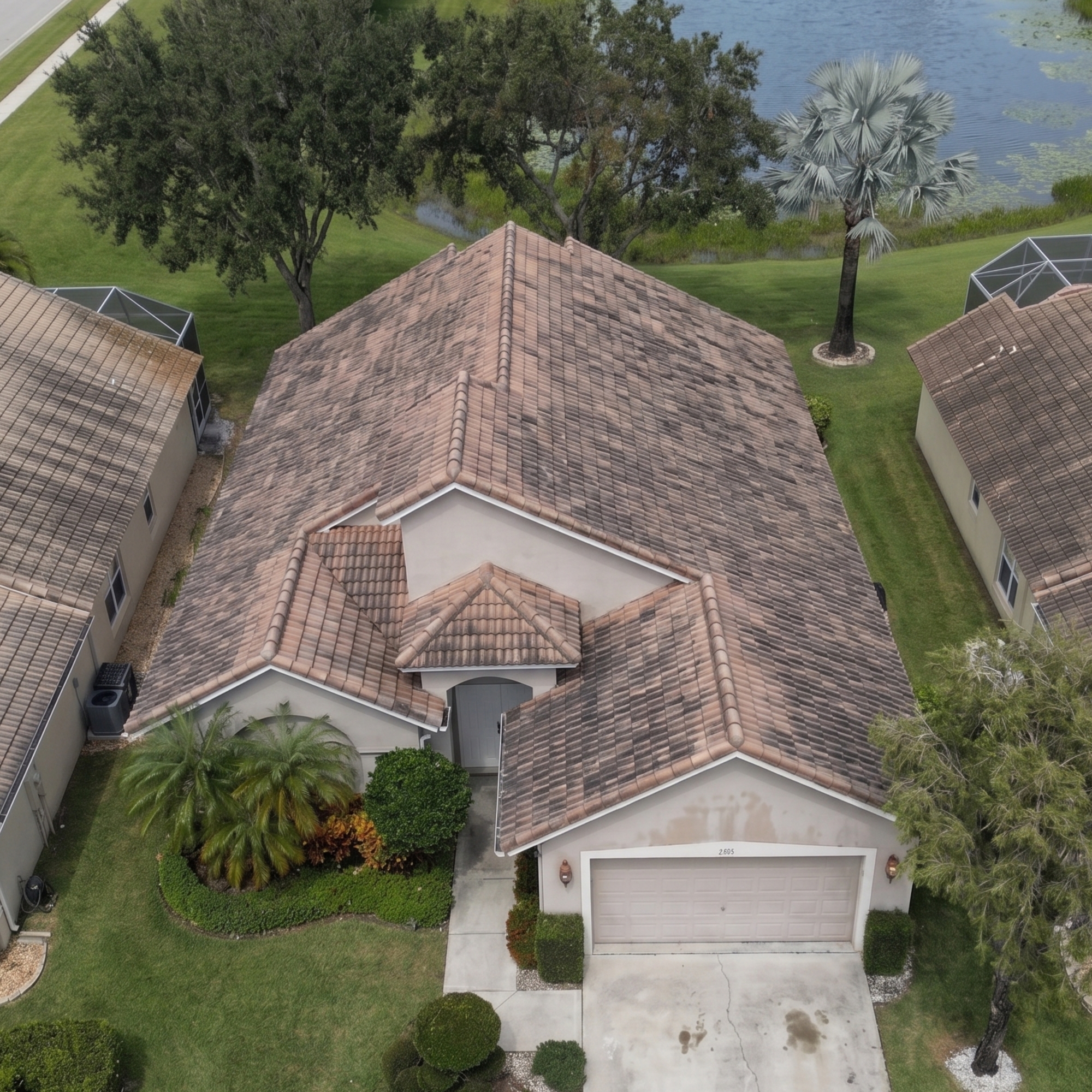
Concrete tile on most single-family homes, architectural shingle on most villas and townhomes. Tile lasts 40–50 years; shingle lasts 15–20 here. Same build year, very different timelines.
Carriers are drawing a line at 20 years
Florida insurers routinely decline or non-renew older shingle roofs. In a community built 1996–2004, that is a large number of homes sitting right at the threshold.
Villas and townhomes share a roof plane
When one unit leaks, the roof above three or four households is involved. Scope, permits, and who pays all have to be sorted before a single shingle comes off.
Open water means unbroken wind
No trees or buildings upwind to slow a gust. Perimeter, corner, and ridge zones take the highest uplift pressure, so that is where fastening has to be tightest.
Debris from the west
Homes backing to preserve land collect leaf litter in valleys and gutters year-round. Wet debris held against shingle or underlayment shortens roof life measurably.
Color and profile get reviewed
Shingle color, tile profile, window frame color, and grid pattern are all subject to approval — and on attached buildings, consistency across units is usually required.
Tile vs. Shingle in Pembroke Isles — What Fails First
Before you can decide anything, you need to know which system you have and how it ages. These two roofs fail in completely different ways, and confusing them is the most common mistake we see homeowners here make.
The tile outlives its underlayment
Tile is a rain shield. The waterproofing is the underlayment beneath it, and the original felt was rated for about 20 years. Expect the roof to look perfect from the curb while leaking at a valley.
- Brittle underlayment at fastener holes
- Debris-packed, rusted valley metal
- Open flashing at walls and pipe boots
- Cracked or slipped field tile
- Mortar loss at hips and ridges
The shingle itself wears out
Shingle roofs fail visibly and from the top down. In this climate, 15–20 years is a realistic service life — and the failure signs are readable from the ground if you know them.
- Granule loss — dark bare patches, grit in gutters
- Curling, cupping, or lifted tabs on hot slopes
- Missing shingles after any wind event
- Failed pipe boots — the #1 shingle leak source
- Algae streaking on north-facing slopes

Not sure which system you have — or how old it is?
We pull the permit history for your address and inspect it properly. Free, and you get the photo report either way.
Roof Age and Your Homeowners Insurance
This is the reason most Pembroke Isles homeowners call us, so it is worth being direct about. Florida's insurance market has tightened, and roof age is the first thing underwriters look at.
Practical advice: don't wait for the non-renewal letter. If your shingle roof is past 15 years, get it inspected and documented now, while you still have leverage and time to plan. Our inspection report is written to be handed straight to an underwriter or a claims adjuster.
Choosing Your Roof System
In a mixed community you actually have a choice — within what architectural review will approve. Here is how the four systems on these streets compare.
Concrete tile (flat or barrel)
The standard on Pembroke Isles single-family homes, and the longest-lived option here. Flat profiles read as slate and are the easiest to flash cleanly; barrel profiles give the Mediterranean shadow line the original elevations were designed around. Heavy, so the structure has to have been built for it — which yours was if it has tile now.
Architectural (dimensional) asphalt shingle
What most villas, coach homes, and townhome buildings have — and usually the right replacement, since it keeps the building consistent and the cost per unit reasonable. Modern architectural shingles are far better than what came off: heavier mats, high-wind ratings, sealed starter courses and six-nail patterns. Expect 15 to 20 years of real service life in this climate.
Standing-seam metal
The best wind performer available and highly reflective, which shows up on summer cooling bills. It costs more than shingle and needs architectural approval, so it is realistic mainly on detached homes where the roof is not shared with a neighbor. Where it is approved, it is often the last roof the house will need.
Flat and low-slope sections
Almost every home here has one: the section over a lanai, a bay, or an entry projection. These are re-covered in modified bitumen or TPO membrane, not tile or shingle, and they are the most common source of a mystery leak because they get overlooked when the main roof is replaced. We always include them in the scope.
Villas & Townhome Buildings: How We Handle Shared Roofs
Attached-home roofing is its own discipline, and it is where most contractors create problems for owners. A roof spanning four units is one roof — it needs one scope, one permit, and one warranty.
We read the documents first
Your declaration decides whether the roof is an association responsibility or yours. We confirm that in writing before quoting, so nobody pays for something twice.
Whole-building scope
Replacing your section only creates a seam over a neighbor's ceiling. We price the full building and phase it so every unit stays dry through the work.
Owner coordination
One point of contact, a written schedule per unit, driveway and lanai protection, and daily magnet sweeps. Neighbors know what happens each day.
Paperwork every owner can use
Each unit gets its own permit close-out, wind mitigation documentation, and warranty certificate — the papers their insurer will ask for.
Florida Building Code, in Plain English
Broward County is a High Velocity Hurricane Zone, so roofs here are built to the strictest residential standard in the country. Every SafeTech job is permitted through the City of Pembroke Pines and inspected at each stage. What that means for your house:
A self-adhered membrane is bonded to the deck under tile or shingle. If wind strips the surface, the house stays dry underneath. On a 1990s roof this layer simply did not exist.
Sheathing is re-nailed to current uplift standards and soft plywood replaced. Your inspector records it on the wind mitigation form — one of the credits that lowers your premium.
New valley metal, wall and counter flashing, pipe boots, and drip edge. Reused flashing is the most common shortcut in this market and the most common two-year-old leak.
Tile is attached per its Florida Product Approval for our wind zone; shingles get a six-nail pattern with a sealed starter course. Perimeter and corner zones are tightened further on lakefront lots.
Balanced intake and exhaust drops attic temperature, which extends roof life and takes load off the air conditioning. Lighter colors reflect more heat on west-facing slopes.
Hurricane Impact Windows for Pembroke Isles Homes
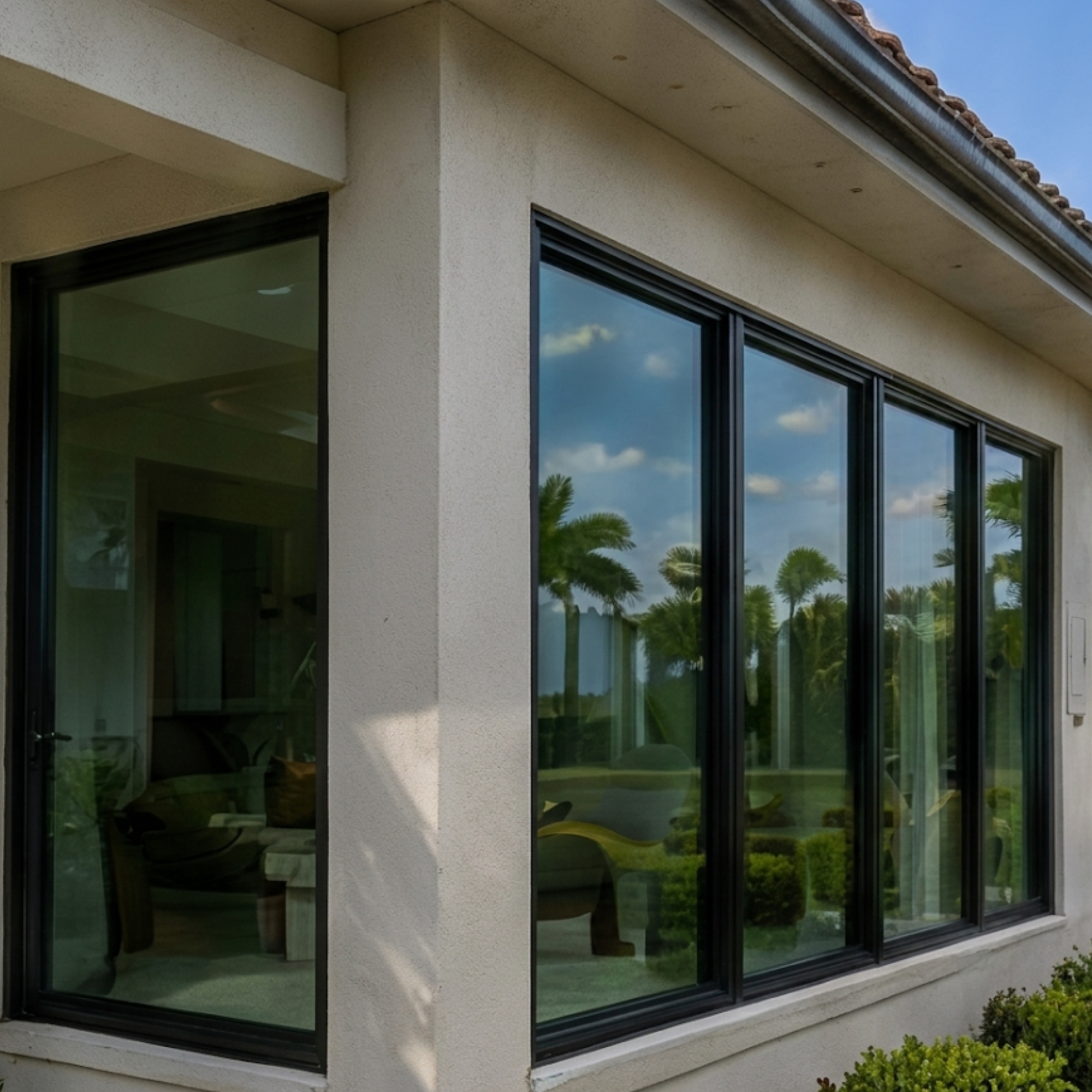
Homes from this era shipped with single-pane aluminum windows and accordion or panel shutters. The floor plans here also lean heavily on big sliders onto screened lanais — the largest, most vulnerable openings in the house, and the ones panels fit worst.
Insurance credits
Windstorm mitigation credits apply when the whole home has approved opening protection. Pair it with a new roof and the credits stack at renewal.
Quiet, and cooler
Laminated Low-E glass cuts solar heat gain and UV fading, and the interlayer dampens outside noise — I-75, Dykes Road, and pool equipment next door.
No more panels
Nothing to store, carry, or install at 6am before a storm. For lakefront homes with tall glass, that alone is the deciding factor for most owners.
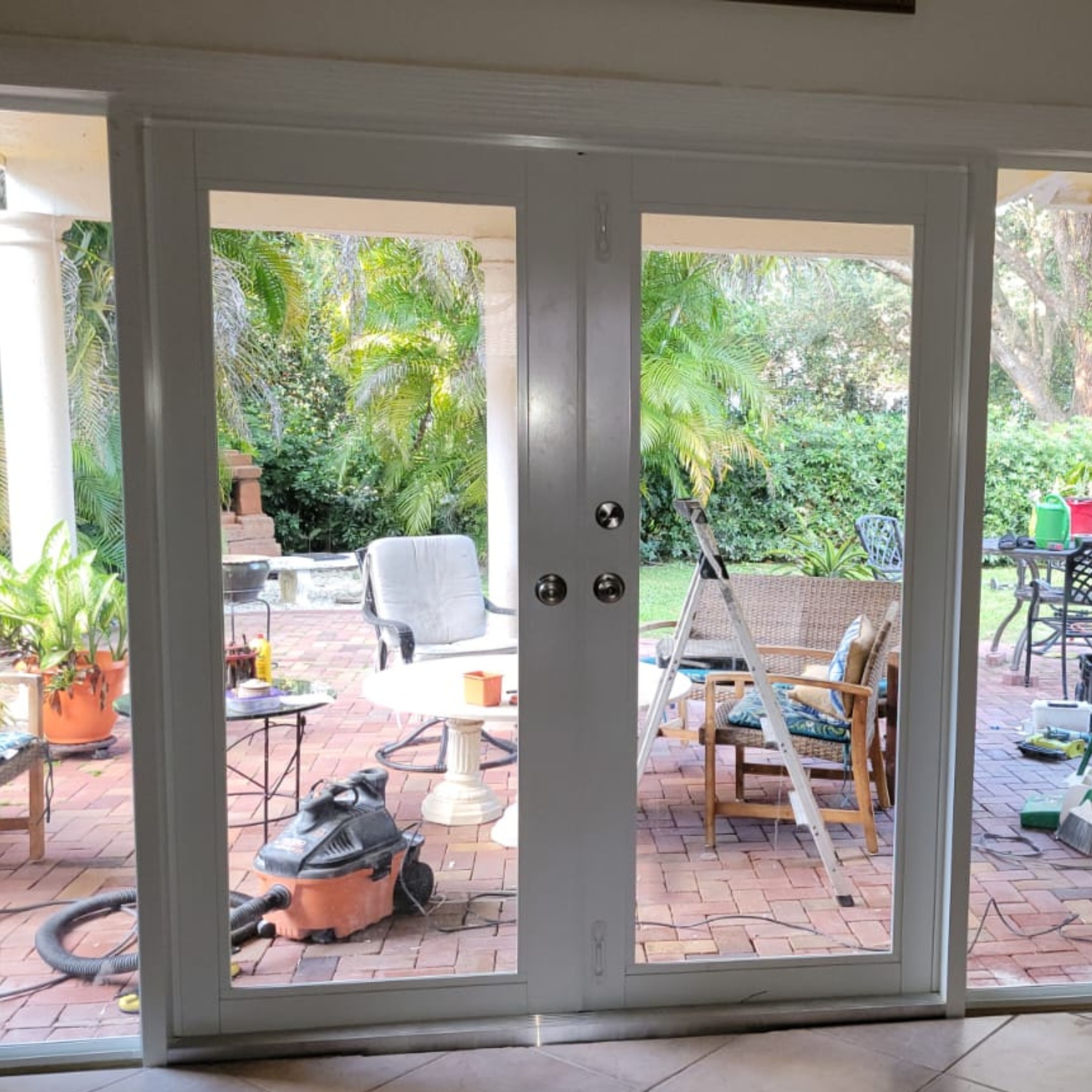
How it works: laminated glass bonds two panes to a tough interlayer. On impact it can crack but stays in the frame, so the building envelope holds and wind pressure never gets inside to lift the roof off. Frames are anchored per code and inspected under permit. We also install impact sliding glass doors and entry doors, which is usually where a Pembroke Isles project should start.
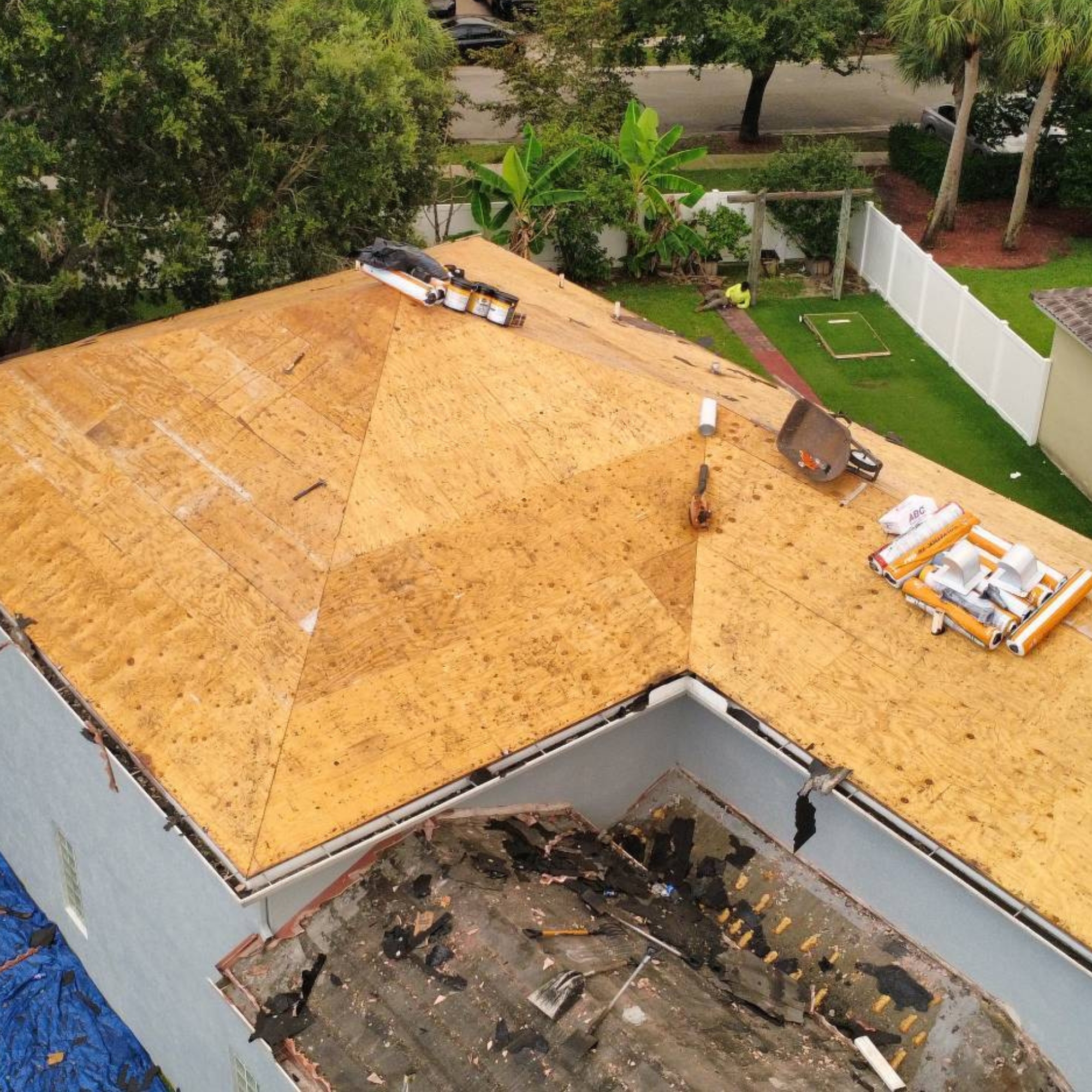
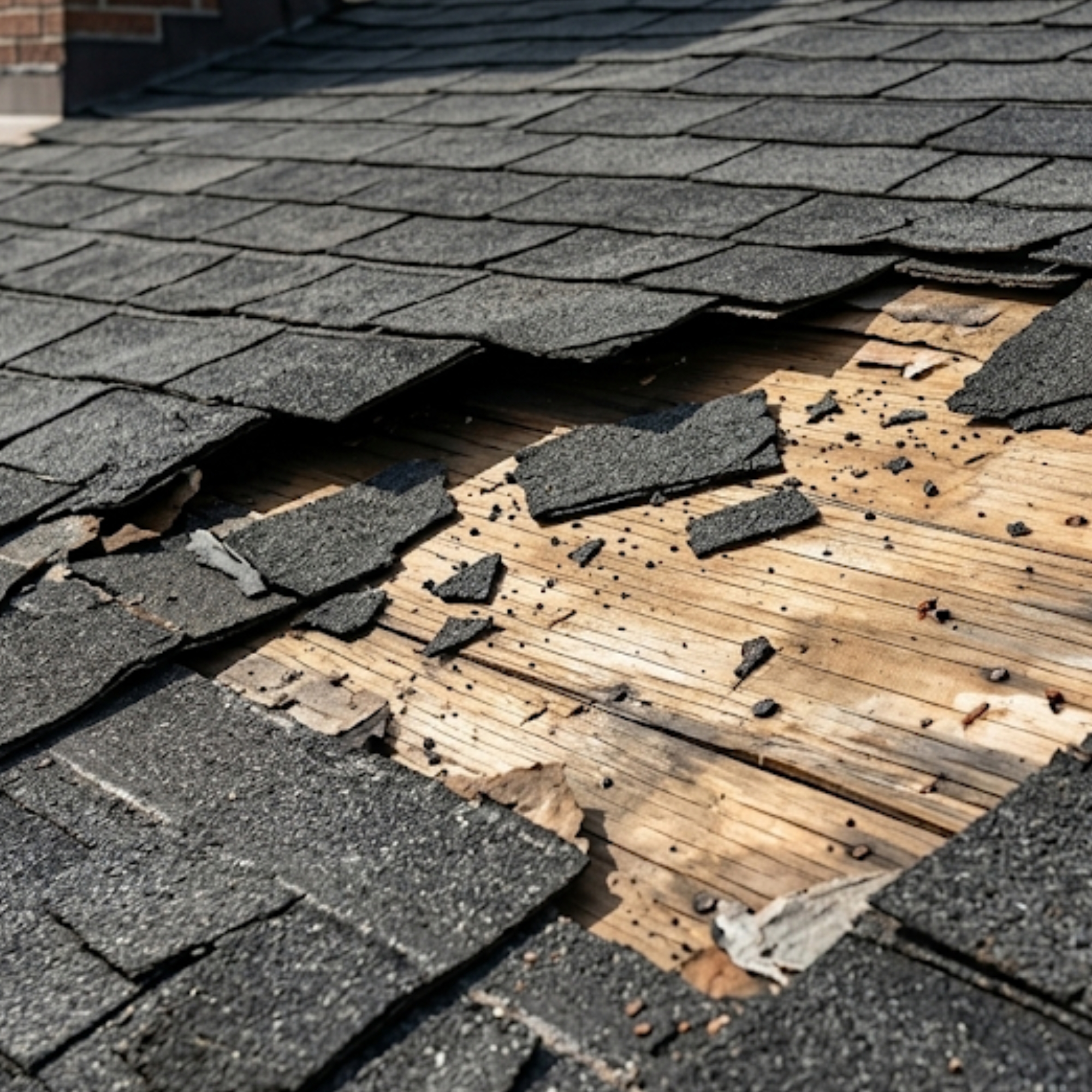
Roofing & Window Services in Pembroke Isles
HOA Approval & Permits — How We Handle It
In a gated community with architectural standards, the paperwork sequence matters as much as the roofing. We do this part every week.
Inspection & written scope
Measured roof, photo report, and an itemized price — including what happens if we find bad decking.
Documents & responsibility
For villas and townhomes we confirm in writing whether the roof is yours or the association’s before anything else.
HOA submittal & permit
Samples, product approvals, and the ARC application prepared for signature; city permit pulled under our license.
Build & close-out
Driveways protected, daily magnet sweep, final inspection signed off, warranty and wind mitigation paperwork delivered.
Roof Maintenance Checklist for Pembroke Isles
Pembroke Isles Roofing & Impact Window FAQs
What kind of roof does my Pembroke Isles home have?
It depends on your section. Most single-family and executive homes were built with concrete tile; most villas, coach homes, and townhome buildings were built with architectural asphalt shingle. Nearly every home also has a small flat or low-slope section over a lanai or bay. We confirm all of it during the inspection and pull your permit history so you know the real installation dates.
Why is my insurance company asking about my roof age?
Florida carriers commonly restrict or non-renew coverage on asphalt shingle roofs past roughly 15 to 20 years, and ask for a condition report on tile roofs past 25. Pembroke Isles was built between 1996 and 2004, so a large share of roofs here now sit right at that threshold. The practical advice is not to wait for the letter — get inspected and documented while you still have time to plan.
Who pays for the roof on a villa or townhome?
Your association documents decide it, and it genuinely varies between sections here. Some attached-home associations maintain roofs at the association level; others leave it with the owner. We read the declaration with you before quoting so nobody pays for something twice — and where the roof spans several units, we scope the whole building so the permit and warranty stay clean.
How long does a roof replacement take?
A shingle roof on a villa or single-family home is typically 2 to 4 working days. A concrete tile roof runs 5 to 10. Multi-unit townhome buildings are scheduled building by building, with a written per-unit schedule so neighbors know what happens each day. HOA approval and the city permit are handled before we start.
Do lakefront homes need anything different?
Yes. With open water upwind there is nothing to slow a gust before it reaches your roof, so uplift pressure at the perimeter, corners, ridge, and rake edges is higher than on an interior lot. We tighten fastening in those zones and pay closer attention to edge metal and ridge detailing on lakefront addresses.
Do impact windows really cut the noise from I-75?
Noticeably, yes. The laminated interlayer that stops a flying branch also dampens sound, and homeowners on the eastern and northern edges of the community usually comment on it within the first week. The Low-E coating handles the other half of the problem — heat gain through the big lanai sliders.
Do I need a permit and HOA approval?
Both. The City of Pembroke Pines permits the work and inspects it at each required stage, and the association reviews material, profile, and color before work begins. We prepare the architectural submittal for your signature and pull the permit under our license — CGC #1537934 / CCC #1336954.
What should I do if a storm just damaged my roof?
Call us before the adjuster if you can. We document the damage with dated photos, tarp or dry-in the affected area to stop further loss, and write a repair scope your carrier can work from. Emergency response is available around the clock for active leaks.
Our Service Area Around Pembroke Isles
Pembroke Isles sits west of Dykes Road between Pines Boulevard and Sheridan Street, backing onto the Chapel Trail preserve and minutes from I-75. Our crews work these streets and the surrounding western Pembroke Pines communities most weeks of the year.
Nearby communities we serve
Protect your Pembroke Isles home before the next storm
Whether you have tile or shingle, a single-family home or a townhome, start with an inspection. We’ll tell you honestly whether you need a repair, a replacement, or nothing at all yet.