

What to Do, and When
The checklist works best split by timing. Most of it belongs in spring.
| When | Roof | Paperwork |
|---|---|---|
| Spring (before June 1) | Professional inspection; repairs done | Review deductible; get a wind mitigation report |
| Early season | Trim trees; clear gutters and valleys | Photograph the roof and keep the photos off-site |
| Storm forecast | Secure loose items; stay off the roof | Insurer, policy number and contractor numbers handy |
| after the storm | Inspect from the ground; temporary protection | Document damage; call your insurer or agent promptly |
Hurricane season runs June 1 through November 30. Repairs are fastest to book before a storm is in the forecast.
Six Roof Checks Before Hurricane Season
Do these in spring, then again after any storm.
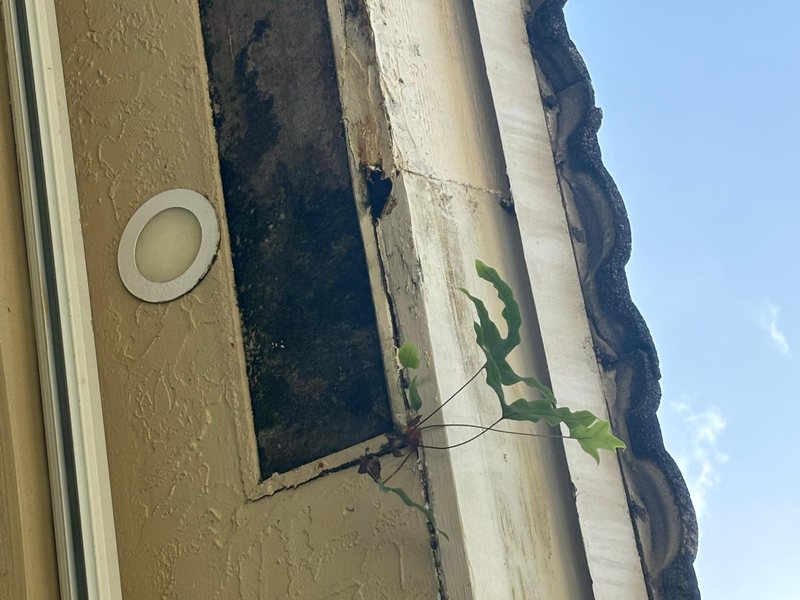
Loose, missing or damaged materials
Look for cracked or slipped tile, lifted or missing shingles, and gaps at the roof edge, fascia and soffits. Wind gets under anything loose, and loose pieces become projectiles.
More warning signs: 10 signs you need a new roof.
Gutters, downspouts and valleys
Blocked drainage backs water up under the roof edge in tropical rain.
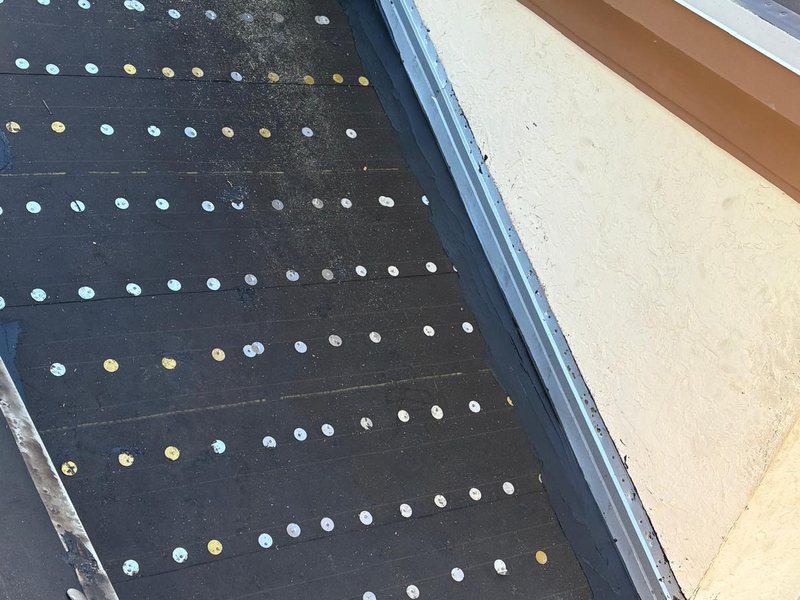
Flashing at walls, chimneys and valleys
Flashing seals the joints where roof meets wall or changes direction. Rust, separation or cracked sealant there is one of the most common leak points in a storm.
Flashing problems are often a repair, not a new roof, see repair vs. replacement.
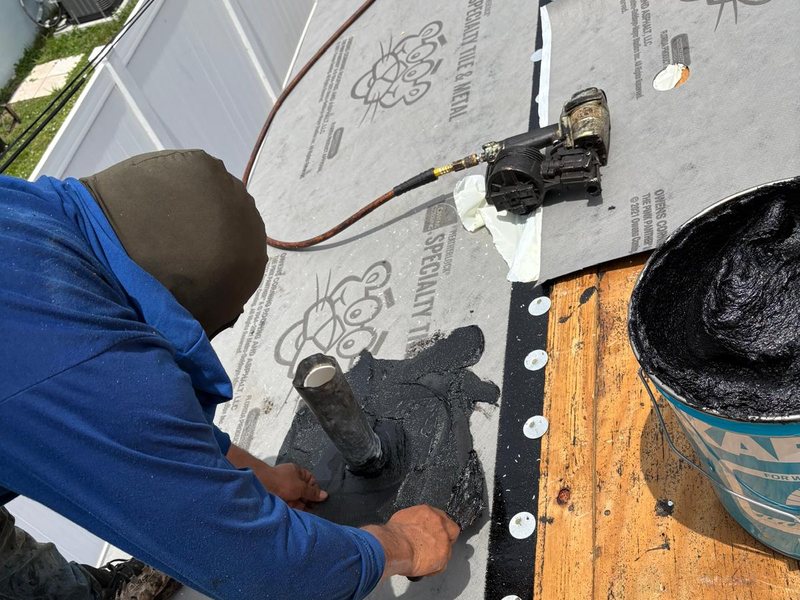
Vents, skylights and dishes
Every penetration is a place for wind-driven rain to get in. Make sure vents, skylights, solar mounts and satellite dishes are secure and their flashing is sealed.
Need a fix before the season? See roof repair.
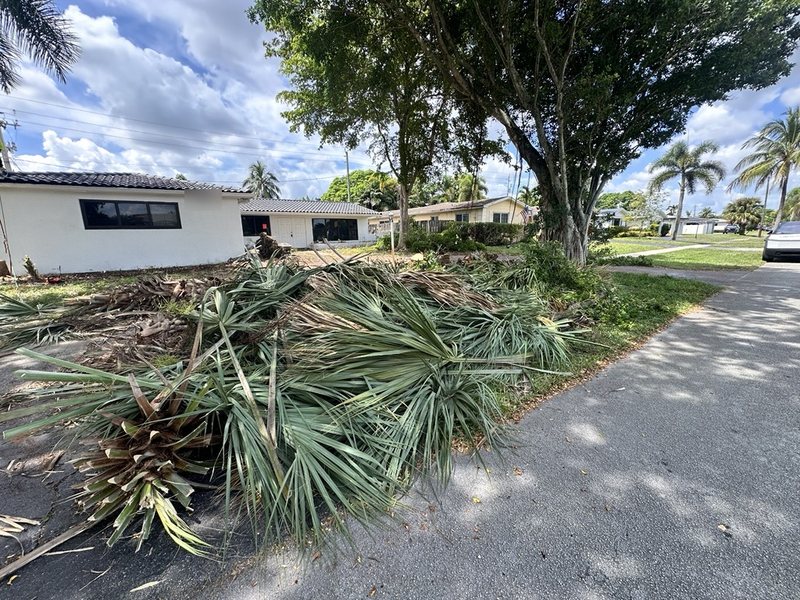
Overhanging trees
Cut back branches that hang over or rub the roof, and remove dead limbs. Do it early in the season, not when a storm is forecast, and leave anything near power lines to the utility.
Dangerous tree? Florida Statute 163.045 can remove the permit requirement (see FAQs).
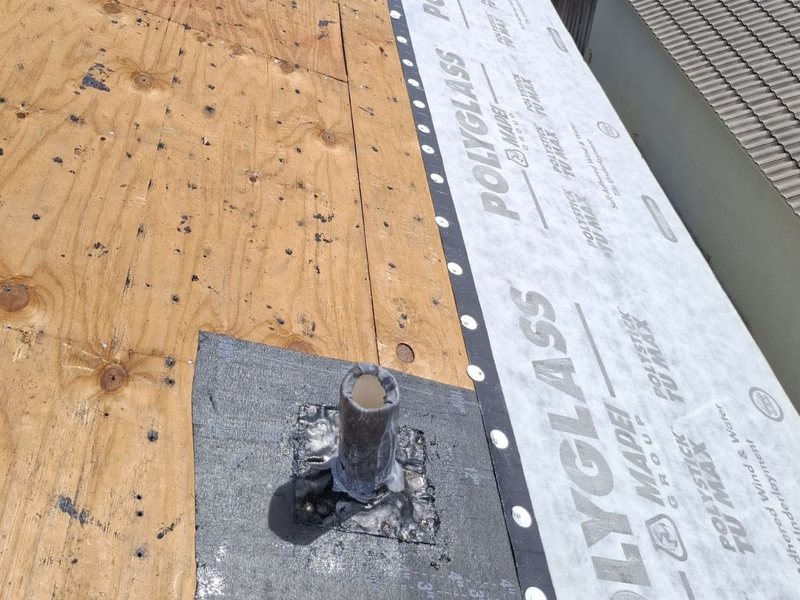
Wind mitigation features
Roof deck attachment, roof-to-wall connections, secondary water resistance and opening protection all help a roof hold together. A current inspection documents them for your insurer.
What it covers and how it may lower premiums: wind mitigation inspection.
Want a professional set of eyes before the season? We photograph every slope and give you a written list of what needs fixing.
Insurance and Paperwork Before the Season
The roof is half the job. The other half is knowing what your policy will do after a storm.
Florida hurricane deductibles apply on an annual basis to all covered hurricane losses in a calendar year (s. 627.701). Many are a percentage of the dwelling limit, not a flat amount. Check your declarations page.
Many insurers stop accepting new policies or coverage changes once a storm threatens. Review coverage early in the season.
Date-stamped photos of every slope give you a before-and-after record. Keep copies off-site or in the cloud.
A current report documents your roof features for your insurer and may qualify you for discounts. See wind mitigation inspection.
Older roofs draw insurer attention. Read roof insurance non-renewal and how long a roof lasts in Florida.
Florida's My Safe Florida Home program has offered free inspections and grants for hardening. Funding windows open and close, so check mysafeflhome.com for current status.
When a Storm Is Forecast
When the cone includes South Florida, the job is to secure, not to repair.
Opening protection matters as much as the roof: a blown-in window or garage door raises pressure inside the house and pushes up on the roof. See hurricane impact windows and impact doors.
After the Storm
The first 48 hours decide how much damage spreads, and who you let on the roof.
Stay safe
Watch for downed lines and standing water. Don't climb onto the roof.
Document
Photograph damage from the ground and inside: ceilings, attic, debris, missing tile or shingles.
Prevent more damage
Your policy expects reasonable steps to protect the home. A licensed roofer can tarp or dry-in. Keep receipts.
Call your insurer or agent
Notify your insurer promptly; the Florida deadline is 1 year from the date of loss (s. 627.70132).
Verify any contractor at myfloridalicense.com. Unlicensed contracting during a declared state of emergency is a third-degree felony (s. 489.127).
A contractor cannot waive, rebate or absorb your deductible, or interpret your policy for you (s. 489.147).
For policies issued on or after January 1, 2023, assignment of benefits for property insurance is not allowed (s. 627.7152).
During a declared emergency, report unconscionable prices for essentials to the Florida attorney General.
active leak? See emergency roof repair or storm and hurricane damage.
Hurricane Roof Prep FAQs
When should I get my roof checked before hurricane season?
Ideally in the spring, before hurricane season starts on June 1. That leaves time to make repairs and get a wind mitigation report before a storm is in the forecast, when contractors are booked and insurers may stop accepting policy changes.
Should I trim trees when a hurricane is coming?
No. Trim in the off-season or early in the season. Once a storm is forecast, cut branches can become projectiles and debris pickup is often suspended. Never trim near power lines; contact your utility instead.
Do I need a permit to remove a dangerous tree in Florida?
Not if you have the right documentation. Under Florida Statute 163.045, a local government cannot require a permit, fee or replanting to trim or remove a tree on single-family residential property if an ISA-certified arborist or Florida-licensed landscape architect documents that it poses an unacceptable risk to people or property.
How does a hurricane deductible work in Florida?
Under Florida Statute 627.701, the hurricane deductible applies on an annual basis to all covered hurricane losses in a calendar year, rather than once per storm. Insurers must offer options of $500, 2%, 5% and 10% of the dwelling limit, with some exceptions for higher-value homes. Check your declarations page before the season.
How long do I have to report hurricane roof damage?
Under Florida Statute 627.70132, notice of a new or reopened property loss must be given to your insurer within 1 year of the date of loss, and a supplemental notice within 18 months. Call your insurer or agent as soon as you can and document everything with photos.
Should I go on my roof to check for damage after a storm?
No. Wet tile and shingles are slick, damaged roofs can give way, and downed lines may be nearby. Look from the ground, a window or the attic, photograph what you see, and have a licensed roofer do the climbing.
How do I avoid storm-chasing contractors?
Verify the contractor's license at myfloridalicense.com before you sign anything. Unlicensed contracting during a declared state of emergency is a third-degree felony in Florida. A contractor cannot waive or rebate your deductible, and assignment of benefits is not allowed for policies issued on or after January 1, 2023.
How We Can Help
Pre-Storm Inspection
Every slope photographed, with a written list of what needs fixing.
Roof Repair
Flashing, tile, shingle and vent repairs done to code.
Emergency Roof Repair
Tarping and dry-in to stop leaks and limit damage.
Impact Windows & Doors
Impact-rated openings that protect the roof from the inside out.
Where We Do This Work
SafeTech Roofing and Windows inspects, repairs and storm-proofs roofs across Broward, Miami-Dade and Palm Beach counties.
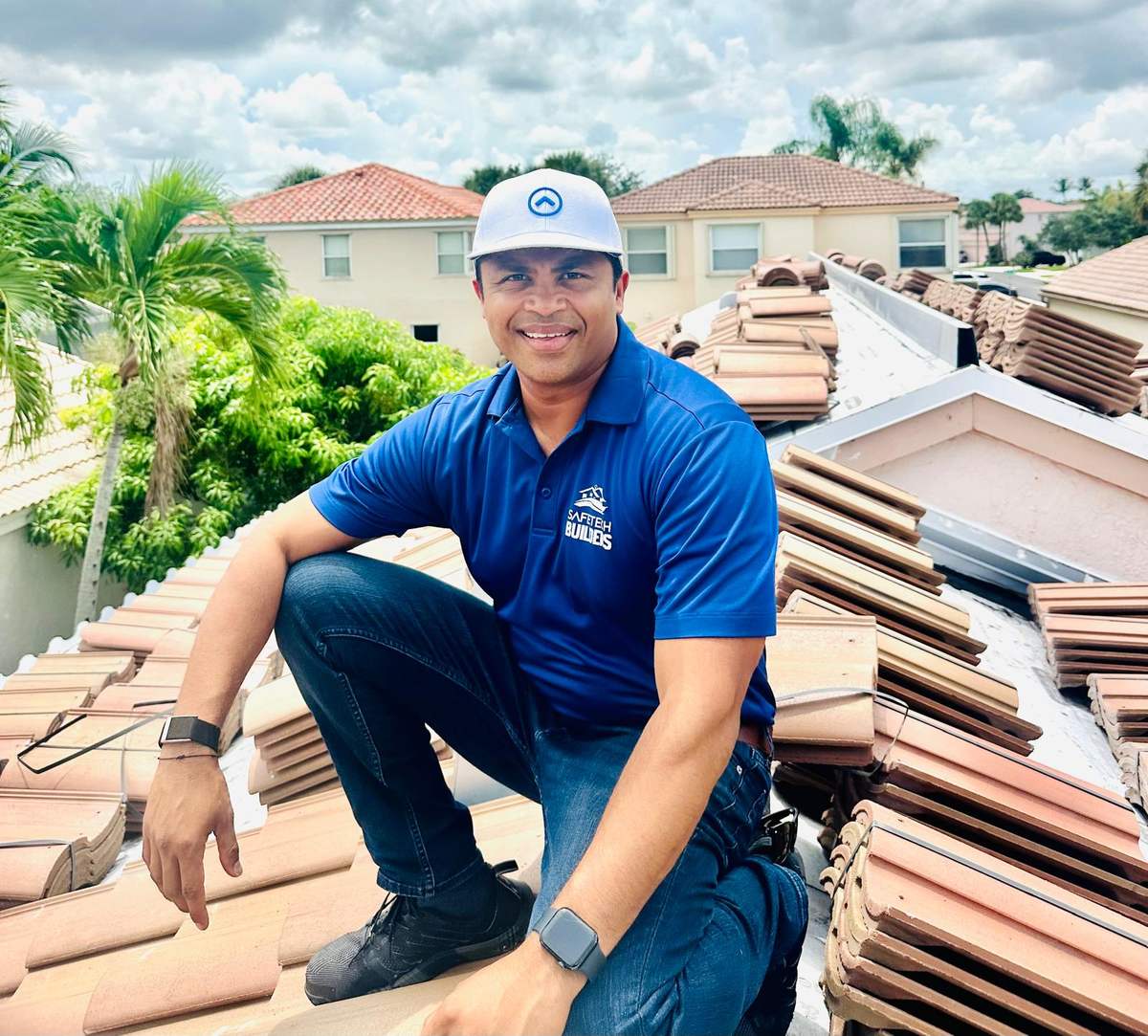
Written by Roshy Rajan
Founder, SafeTech Roofing and Windows
Roshy Rajan has worked in Broward County real estate and construction since 2006. He founded SafeTech Roofing and Windows (SafeTech Builders Inc.) after a hurricane left a friend with roof and window damage and the referrals kept coming. Florida Certified General Contractor CGC1537934 · Certified Roofing Contractor CCC1336954 · BBB Accredited. Read his story →
Sources
- Florida Statute 627.701, hurricane deductibles
- Florida Statute 627.70132, notice-of-loss deadlines
- Florida Statute 163.045, tree pruning and removal on residential property
- Florida Statute 489.127, unlicensed contracting
- Florida Statute 489.147, prohibited roofing contractor practices
- Permanent Florida sales tax exemptions for disaster supplies (Aug. 1, 2025)
This article is general education, not legal or insurance advice. Your policy and its declarations page govern your coverage and deductible.